


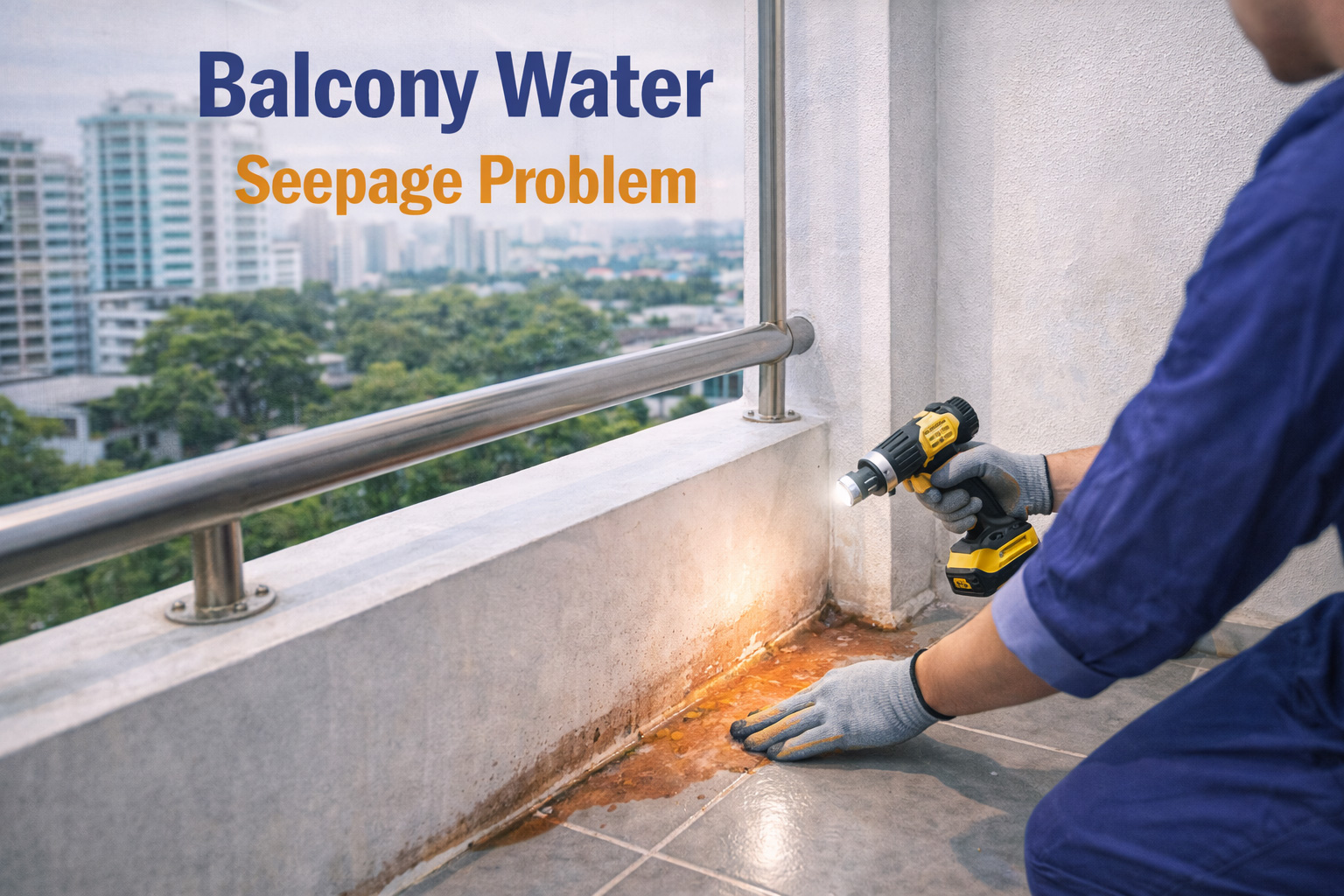
Balcony Water Seepage Problem: Solutions for Singapore Businesses
For businesses in Singapore, maintaining the integrity of the building is essential to ensure a safe, functional, and welcoming environment. Among the various types of water damage, balcony water seepage problems are often overlooked but can lead to significant long-term issues if not addressed. Water seepage on balconies, whether in commercial or residential buildings, can cause structural damage, mold growth, and unpleasant odors, all of which compromise the overall health of the property.
This comprehensive guide will explore the causes of balcony water seepage problems, their impact, and most importantly, the solutions to prevent and fix these issues in your Singapore property. Whether you manage an office, retail store, or residential unit, understanding how to deal with water seepage on your balcony is crucial for long-term property maintenance.
What is Balcony Water Seepage and Why Does it Matter?
Balcony water seepage refers to the infiltration of water through cracks or gaps in the structure of the balcony, often affecting the ceiling or walls below the balcony area. This water seepage can be caused by various factors, including faulty waterproofing, clogged drainage systems, or natural wear and tear over time.
In Singapore’s humid climate, balconies are particularly prone to water damage, given the frequent rainfall and high humidity levels. Left untreated, balcony water seepage can result in serious consequences, including:
Structural damage: Continuous exposure to water can weaken the building’s structural integrity, causing cracks in the concrete or rusting of metal reinforcements.
Mold and mildew growth: Damp conditions provide a perfect environment for mold and mildew, which can pose health risks to building occupants.
Aesthetic deterioration: Water stains, peeling paint, and damaged finishes on the balcony or ceilings below can affect the appearance of your property, diminishing its value.
Addressing balcony water seepage problems as soon as they arise is essential to avoid costly repairs and minimize the impact on your building’s structural integrity.
Common Causes of Balcony Water Seepage
Understanding the causes of balcony water seepage is the first step toward effectively addressing the issue. Below are the most common reasons why balconies experience water seepage in Singapore:
1. Improper Waterproofing
Waterproofing is crucial for balconies to prevent water from penetrating through the concrete or surface materials. Over time, the waterproofing membrane may degrade due to age, weather conditions, or poor installation, leading to water leakage and seepage.
Signs: Cracked tiles, peeling paint, or damp spots on the ceiling below the balcony.
2. Clogged or Blocked Drainage Systems
Balconies typically have drainage systems to direct water away from the structure. If these drains are clogged with debris, leaves, or dirt, water may accumulate on the surface, causing it to seep into the building. Over time, stagnant water can seep into the walls and floors.
Signs: Pooling water on the balcony, slow drainage, or foul odors coming from the drains.
3. Cracks in the Concrete or Balcony Surface
Concrete is a porous material, and over time, it can develop cracks due to natural settling, shifting, or external pressure. Water can seep through these cracks and into the underlying structure, causing significant damage over time.
Signs: Visible cracks on the balcony floor or walls, water stains, or mold growth on the ceiling below.
4. Damaged Balcony Seals
The seals around the edges of the balcony, where it connects to the building, may degrade over time due to weather conditions or wear. When the seals are damaged, water can easily seep into the structure, particularly during heavy rainfall.
Signs: Water leaking from the edges of the balcony, water stains on the walls or ceilings below, or water collecting near the balcony’s edge.
5. Faulty or Poorly Installed Flashing
Flashing is the material used to direct water away from critical areas like joints, rooflines, and the edges of the balcony. If the flashing is poorly installed or deteriorates, it can allow water to seep into the building, especially during rainfall or storms.
Signs: Water seepage around windows, doors, or the edges of the balcony, especially after heavy rain.
How to Identify a Balcony Water Seepage Problem
Detecting balcony water seepage problems early is crucial for minimizing damage. Here are the most common signs that you may have a water seepage issue on your balcony:
1. Visible Water Stains
Water stains on the walls or ceiling below the balcony are often the first indication of a water seepage problem. These stains can be brown or yellow and may expand as the problem worsens.
2. Dampness or Musty Odor
A persistent musty odor or dampness on the balcony or in the rooms below could indicate that water is slowly seeping through the structure. The humidity can also create an environment conducive to mold and mildew growth.
3. Cracked or Peeling Paint
If the paint on your balcony or the ceiling below is peeling or bubbling, it may be due to water infiltration. This can result from the water weakening the bond between the paint and the surface.
4. Pooling Water on the Balcony
If water collects on your balcony after rain and doesn’t drain away properly, it could indicate a clogged drain or drainage system. Prolonged pooling water can eventually seep through cracks or openings, leading to significant damage.
5. Visible Cracks
Cracks in the balcony floor or surrounding walls can allow water to seep into the building. These cracks may be small at first but can grow over time, making the water seepage worse.
How to Fix Balcony Water Seepage Problems
Addressing balcony water seepage problems requires prompt and effective solutions. Depending on the cause, here are some of the most common fixes for this issue:
1. Repairing or Replacing Waterproofing
If the cause of the seepage is damaged waterproofing, you’ll need to repair or replace the waterproof membrane. A professional contractor can inspect the balcony and apply a new waterproofing system to prevent further water damage.
2. Cleaning and Unclogging Drains
Regular maintenance of your balcony’s drainage system is essential to prevent blockages. Hire a professional plumber to clean the drains and remove debris, leaves, and dirt. Installing a mesh filter can help prevent future blockages.
3. Sealing Cracks
Cracks in the balcony surface should be sealed with high-quality concrete sealant. For more extensive cracks, a structural repair may be required to ensure the integrity of the surface.
4. Reinstalling or Replacing Flashing
If the flashing around the balcony is damaged, it should be replaced or resealed to ensure proper water diversion. Flashing installation requires expertise to ensure that water is properly directed away from vulnerable areas.
5. Improving Balcony Drainage
If your balcony is prone to pooling water, you may need to improve its drainage. A contractor can install new drains or ensure that existing ones are functioning correctly.
Cost of Fixing Balcony Water Seepage in Singapore
The cost of fixing a balcony water seepage problem in Singapore depends on several factors, including the severity of the damage, the materials used, and the contractor’s rates. Below are some general cost estimates:
1. Minor Repairs
Cost Range: SGD 200 to SGD 1,000
Minor repairs typically involve sealing small cracks, unclogging drains, or fixing minor leaks. These repairs are relatively affordable and can often be done quickly.
2. Moderate Repairs
Cost Range: SGD 1,000 to SGD 3,000
This may include repairing or replacing the waterproofing membrane, resealing large cracks, or replacing damaged flashing. Moderate repairs may take a few days to complete.
3. Major Repairs
Cost Range: SGD 3,000 to SGD 8,000
Major repairs involve significant structural work, such as replacing extensive waterproofing, repairing large cracks, or addressing foundational issues. These repairs require more time and labor, leading to higher costs.
FAQ About Balcony Water Seepage Problems
1. How long does it take to fix a balcony water seepage problem?
The time required for repairs depends on the severity of the issue. Minor repairs may take a day or two, while more extensive work could take up to a week or longer.
2. Can I prevent balcony water seepage with regular maintenance?
Yes, regular maintenance of the balcony’s waterproofing system, drainage, and seals can help prevent water seepage issues. Annual inspections are recommended to catch problems early.
3. Is it safe to use my balcony if there’s water seepage?
If you notice water seepage or dampness on your balcony, it’s best to avoid using it until the issue is resolved. Prolonged water damage can weaken the structure and pose a safety risk.
4. What materials should be used for waterproofing my balcony?
High-quality waterproofing membranes, such as bituminous coatings or liquid-applied membranes, are ideal for balconies in Singapore’s climate. A professional contractor can recommend the best materials for your specific needs.
5. Can I fix the water seepage problem myself?
While minor repairs, such as sealing small cracks, can be done by DIYers, it’s best to consult a professional contractor for more extensive repairs. A contractor will ensure that the repair is done correctly and prevent future water seepage.
Conclusion: Address Balcony Water Seepage Problems for a Safe and Dry Property
Dealing with balcony water seepage problems quickly and effectively is crucial for the long-term health of your business property. By understanding the causes and solutions for water seepage, you can protect your building from structural damage, mold growth, and aesthetic deterioration. Hiring a professional contractor for repairs and regular maintenance will ensure that your balcony remains in optimal condition, saving you time and money in the future.
If you’re dealing with balcony water seepage in your business, don’t wait for the issue to worsen. Contact a professional contractor in Singapore to inspect and resolve the problem today, ensuring the safety and longevity of your property.