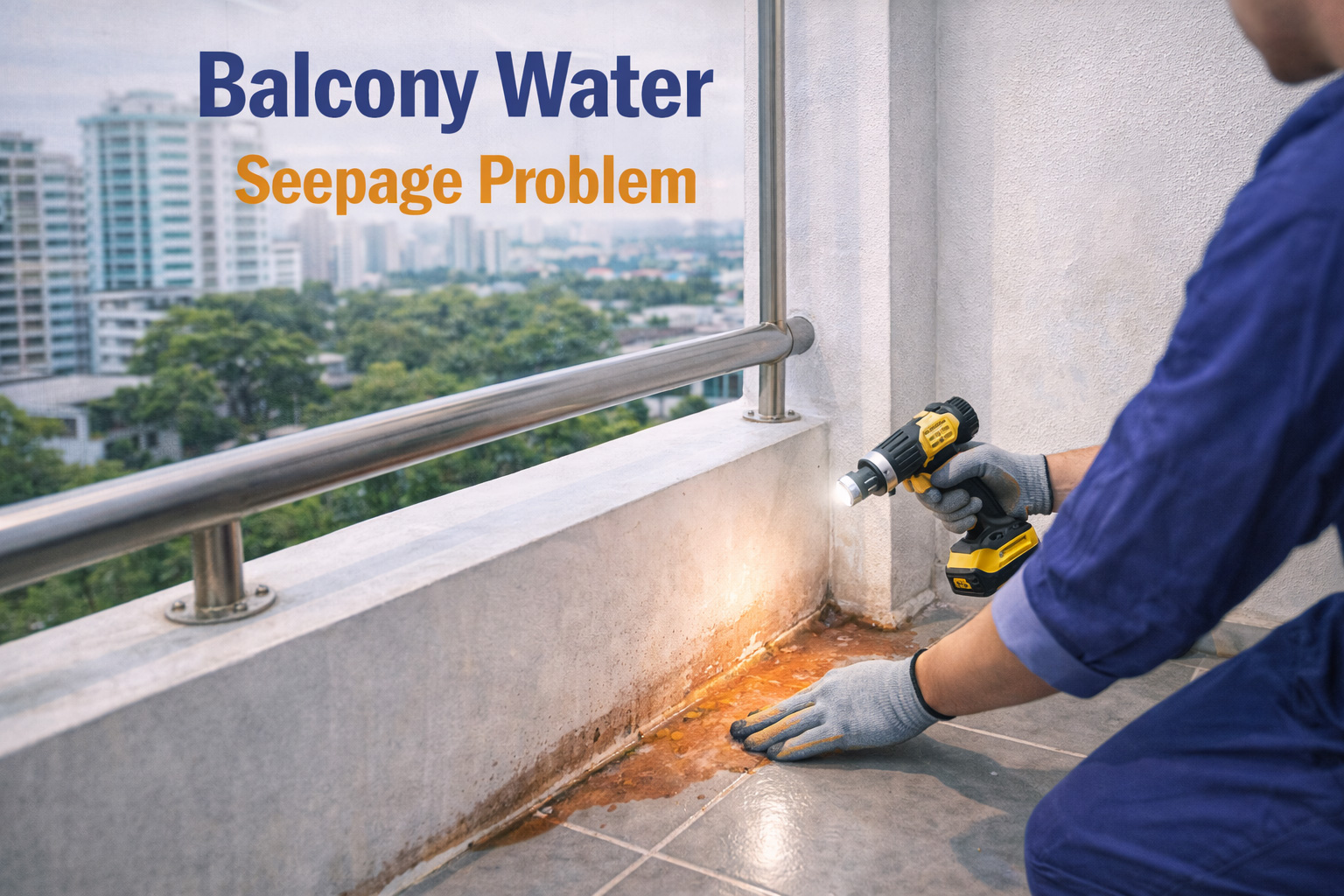


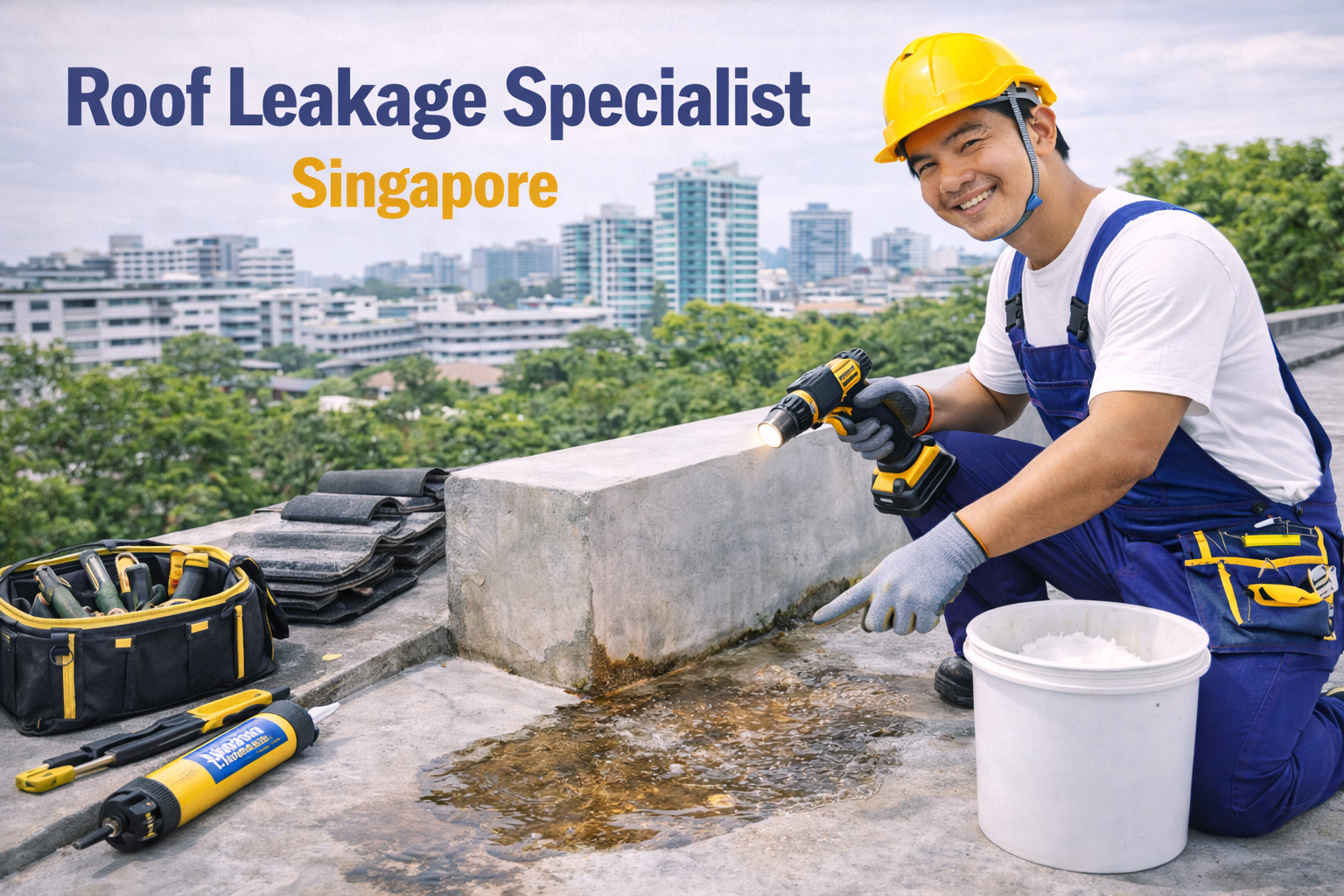
roof leakage specialist singapore

Roof Leakage Repair Singapore

Roof Leakage Specialist Singapore: How to Protect Your Business from Roof Leaks

For businesses in Singapore, maintaining a secure, leak-free roof is a top priority. The tropical climate, with its high humidity, heavy rainfall, and intense heat, can cause significant wear and tear on roofs, making them prone to leaks. Roof leakage can not only damage the structure of your building but also harm your inventory, disrupt operations, and potentially cost your business thousands in repairs.

To protect your business, hiring a roof leakage specialist in Singapore is essential. These experts are equipped with the right knowledge, tools, and techniques to identify, repair, and prevent leaks, ensuring the long-term durability and safety of your roof. In this guide, we’ll discuss everything you need to know about roof leaks, the importance of hiring a specialist, and how to choose the right one for your business.

Why Roof Leakage is a Serious Problem for Businesses in Singapore

Roof leaks are more than just an inconvenience. They can lead to structural damage, electrical hazards, mold growth, and even loss of business. Singapore’s climate, characterized by frequent torrential rains and high humidity, exacerbates the wear and tear on roofing systems, making businesses especially vulnerable to leaks.

Common Causes of Roof Leaks in Singapore

  • Poor Installation: Incorrect installation of roofing materials or failure to follow building codes can result in leaks.

  • Aging Roofs: Over time, roofing materials deteriorate and become less effective at preventing water infiltration.

  • Blocked Gutters and Drains: Inadequate drainage can cause water to pool on the roof, increasing the risk of leaks.

  • Storm Damage: Strong winds and heavy rains can damage roofing materials, leading to cracks and gaps where water can seep through.

  • Poor Maintenance: Failure to conduct regular roof inspections and maintenance can allow small issues to turn into major leaks.

Given the potential consequences of roof leaks, businesses in Singapore should consider hiring a roof leakage specialist to address these issues promptly and prevent further damage.

What Does a Roof Leakage Specialist Do?

A roof leakage specialist is a professional with the expertise to diagnose, repair, and prevent roof leaks. Their services include:

1. Leak Detection

Roof leakage specialists use advanced tools and techniques, such as infrared thermography and moisture detection devices, to identify leaks and the source of water infiltration. Sometimes leaks may not be immediately visible, and specialists are trained to detect even the smallest signs of leakage.

2. Roof Repair

Once a leak is identified, the specialist will perform the necessary repairs. This may include replacing damaged shingles or tiles, fixing flashing around chimneys or vents, sealing cracks, or reapplying waterproof coatings. The goal is to stop the water from entering the building and prevent further damage.

3. Waterproofing Solutions

To ensure long-term protection, a roofing specialist may apply waterproofing solutions, such as membranes or coatings, to the roof. These products form a barrier that prevents water from seeping into the structure, especially during heavy rainfall.

4. Roof Maintenance

Regular maintenance services are key to preventing leaks in the future. Roof leakage specialists can perform periodic inspections, clean gutters, and address minor issues before they become major problems. Regular maintenance can significantly extend the lifespan of your roof.

5. Emergency Services

If a leak occurs suddenly due to a storm or an unforeseen issue, many roofing specialists offer emergency repair services. These quick fixes can help minimize the immediate damage and allow time for more permanent repairs.

Benefits of Hiring a Roof Leakage Specialist in Singapore

1. Expertise and Experience

A roof leakage specialist has extensive experience in dealing with various roofing issues, from minor leaks to major roof damage. Their specialized knowledge ensures that the repairs are done correctly and that the roof remains in top condition for years.

2. Prevent Further Damage

Roof leaks can cause significant damage to a building’s interior, including structural issues, mold growth, and electrical problems. A specialist can fix the leak quickly, preventing these issues from escalating and costing you more money in repairs.

3. Time and Cost Savings

Although it might seem like a simple fix, roof leakage can lead to significant problems if not addressed in a timely manner. Hiring a professional ensures that the leak is fixed properly the first time, saving you the cost of repeat repairs and preventing further damage that could disrupt your business operations.

4. Long-Term Solutions

Rather than just addressing the immediate leak, roof leakage specialists focus on providing long-term solutions. They may recommend waterproofing, proper drainage, or the replacement of outdated roofing materials, all of which will help prevent future leaks and prolong the life of your roof.

5. Safety

Roof work can be dangerous, particularly if the roof is steep or the building is tall. Roofing specialists are equipped with the proper safety gear and tools to perform repairs without risking injury, ensuring that the job is done safely and efficiently.

How to Choose the Right Roof Leakage Specialist in Singapore

Selecting a roof leakage specialist in Singapore is crucial to ensuring the quality and longevity of your repairs. Here are some factors to consider when choosing a contractor:

1. Experience and Reputation

Look for a contractor with a proven track record in the roofing industry. Check online reviews, ask for referrals, and ensure that they have experience working with commercial properties. A reputable specialist will have a history of successful repairs and satisfied clients.

2. Licensing and Certification

Ensure the contractor is licensed and certified by relevant authorities, such as the Building and Construction Authority (BCA) in Singapore. This ensures that they follow industry standards and local regulations.

3. Comprehensive Services

A good roof leakage specialist should offer a range of services, including inspection, repair, maintenance, and waterproofing. This ensures that they can address any issue that may arise, whether it’s a minor leak or a major roof replacement.

4. Transparent Pricing

Request a detailed quote before committing to any work. The estimate should clearly outline the cost of materials, labor, and any other associated fees. A transparent roofing contractor will provide an honest assessment of the job and offer competitive pricing without hidden costs.

5. Warranty and Aftercare

A reputable roof leakage specialist should offer a warranty on their work. This provides peace of mind knowing that if any issues arise after the repair, they will address them at no additional cost. Check for the length of the warranty and what it covers.

Roof Leakage Specialist vs. DIY Solutions: Why Hiring a Professional is Better

While some businesses may consider handling roof leaks themselves, it’s essential to understand the risks and limitations of DIY solutions. Here’s a comparison of hiring a professional roof leakage specialist versus attempting to fix the leak yourself:

FeatureRoof Leakage SpecialistDIY Solutions
ExpertiseSpecialized knowledge and experience in roof repairLimited knowledge and tools
Repair QualityHigh-quality repairs with long-lasting resultsTemporary fixes that may not last long
SafetySafety-trained and equipped with proper toolsRisk of injury, especially when working at height
Time EfficiencyQuick, professional repairsTime-consuming and prone to errors
CostLong-term savings due to effective repairsPotential for costly mistakes and rework
WarrantyWarranty on work and materialsNo warranty

Cost of Hiring a Roof Leakage Specialist in Singapore

The cost of hiring a roof leakage specialist in Singapore can vary depending on several factors:

1. Severity of the Leak

Minor leaks may cost less to repair, while larger issues, such as structural damage or extensive water damage, may be more expensive to fix.

2. Roof Type and Material

The type of roof you have (e.g., flat, pitched, or sloped) and the materials used (e.g., shingles, tiles, metal) can impact the cost of repairs. More complex roof designs may require specialized tools and materials, leading to higher costs.

3. Additional Services

If waterproofing or extensive maintenance is required, these services will increase the overall cost. However, investing in waterproofing can help prevent future leaks, offering long-term savings.

4. Labor and Materials

Labor costs can vary based on the contractor’s experience and the complexity of the repair. The quality of materials used will also affect the overall cost.

On average, you can expect to pay between SGD 300 to SGD 1,000 for minor roof repairs in Singapore. More extensive repairs or waterproofing services may cost upwards of SGD 2,000.

FAQs About Roof Leakage Specialists in Singapore

1. How do I know if I have a roof leak?

Signs of a roof leak include water stains on ceilings, damp or moldy areas, and visible cracks or damage on the roof itself. If you notice any of these, it’s best to contact a specialist immediately.

2. How long does it take to fix a roof leak?

The duration of the repair depends on the severity of the leak. Minor leaks may be fixed within a few hours, while more extensive damage may take a day or two to repair.

3. Are roof leakage specialists expensive?

While roof leakage repairs can be costly, they are an essential investment in protecting your business. The cost varies based on the severity of the leak and the services required.

4. How can I prevent future roof leaks?

Regular maintenance, such as cleaning gutters, sealing cracks, and applying waterproofing coatings, can help prevent future roof leaks.

5. Can roof leaks cause mold growth?

Yes, water that enters the building through a leaky roof can promote mold and mildew growth. Addressing leaks promptly is crucial to preventing this issue.

Conclusion: Protect Your Business with a Roof Leakage Specialist in Singapore

Roof leaks can cause significant damage to your business, leading to costly repairs, inventory loss, and operational disruptions. Hiring a roof leakage specialist in Singapore is the best way to address and prevent these issues, ensuring that your roof remains in top condition for years to come.

By hiring a professional, you gain access to expertise, quality repairs, and long-term solutions that protect your property. Don’t wait for a small issue to become a major problem—contact a roofing specialist today to ensure the safety and integrity of your building.
roof coating singapore

Roof Coating Singapore

Roof Coating Singapore: Protect Your Building with High-Quality Solutions

As a business owner in Singapore, maintaining the integrity and longevity of your building is essential. One of the most effective ways to protect your property from the tropical climate is by investing in roof coating. The heavy rainfall, high humidity, and intense heat can quickly degrade roofing materials, leading to leaks, mold growth, and structural damage. Fortunately, roof coating in Singapore provides a reliable solution that can prolong the life of your roof, improve energy efficiency, and save you money in the long run.

In this comprehensive guide, we will explore what roof coating is, its benefits, the different types available, and why it’s a smart investment for businesses in Singapore. We will also dive into the cost factors, maintenance tips, and provide you with practical insights that can help you make an informed decision when considering roof coating for your commercial property.

What is Roof Coating?

Roof coating is a protective layer applied to the surface of a roof to enhance its durability, energy efficiency, and resistance to harsh weather conditions. In Singapore’s hot and humid climate, roof coatings are especially important as they help shield your roof from UV damage, water infiltration, and corrosion. The coating typically consists of a thick liquid material that hardens into a seamless, durable layer that covers the roof surface.

There are various types of roof coatings available, each designed to address specific needs, such as waterproofing, insulation, and UV protection. Whether you have a flat roof, pitched roof, or sloped roof, roof coating can be customized to suit the unique requirements of your building.

Types of Roof Coatings Available in Singapore

Understanding the different types of roof coatings available can help you choose the right solution for your business. The most common types of roof coatings used in Singapore include:

1. Acrylic Roof Coatings

Acrylic roof coatings are popular in Singapore due to their affordability, durability, and excellent UV protection. These coatings are water-based and provide a flexible, long-lasting finish that resists cracking and peeling. Acrylic coatings are also highly resistant to algae and mildew, which makes them perfect for the humid Singapore climate. Additionally, they reflect UV rays, helping to keep indoor temperatures cooler and reducing the need for air conditioning.

2. Silicone Roof Coatings

Silicone coatings are known for their superior waterproofing capabilities. These coatings are highly resistant to water, making them ideal for Singapore’s heavy rainfall. Silicone roof coatings are also UV-resistant and can withstand extreme temperatures without degrading. Unlike acrylic coatings, silicone coatings are applied in a single coat, which can reduce labor and material costs. However, silicone coatings may not be as flexible as acrylic coatings and may require more frequent touch-ups over time.

3. Polyurethane Roof Coatings

Polyurethane roof coatings offer excellent abrasion resistance and are highly durable, making them suitable for roofs subjected to heavy foot traffic or harsh environmental conditions. These coatings provide strong protection against UV rays, water, and chemicals. They are often used in commercial and industrial buildings where durability and impact resistance are critical. While polyurethane coatings are more expensive than acrylic coatings, their durability makes them a good long-term investment.

4. Bitumen Roof Coatings

Bitumen coatings are made from a combination of asphalt and other materials, offering excellent waterproofing properties. This type of coating is commonly used on flat roofs and provides a thick, durable layer of protection against water infiltration. Bitumen coatings are particularly beneficial for buildings with low-slope roofs, as they prevent water from pooling and causing leaks. However, bitumen coatings tend to have a darker color, which can increase heat absorption, leading to higher cooling costs in tropical climates like Singapore.

5. Elastomeric Roof Coatings

Elastomeric coatings are designed for flexibility and are highly effective at expanding and contracting with temperature changes. These coatings are perfect for buildings in Singapore, where temperature fluctuations between day and night are common. Elastomeric coatings also provide superior UV protection, waterproofing, and resistance to cracking. They are often used on both residential and commercial buildings to provide long-lasting protection against the elements.

Benefits of Roof Coating for Singapore Businesses

1. Enhanced Waterproofing

One of the primary benefits of roof coating is improved waterproofing. Singapore’s tropical climate, characterized by frequent heavy rains, can quickly lead to leaks and water damage. Applying a roof coating creates a seamless barrier that prevents water from seeping into your roof and building, thus protecting your property from costly water damage and mold growth.

2. Improved Energy Efficiency

Roof coatings, especially reflective coatings like acrylic and silicone, help reduce the heat absorbed by your building. By reflecting UV rays, these coatings help maintain a cooler indoor environment, reducing the strain on your air conditioning system and lowering your energy bills. For businesses in Singapore, where air conditioning is a significant part of operational costs, this can result in substantial savings over time.

3. UV Protection

Singapore’s intense sunlight can take a toll on roofing materials, causing them to degrade and weaken over time. Roof coatings, particularly acrylic and elastomeric options, provide excellent UV protection, which prevents the roof from becoming brittle and prone to damage. This helps prolong the lifespan of your roof and reduces the frequency of repairs or replacements.

4. Cost-Effective Maintenance

Roof coating is a cost-effective solution compared to full roof replacements. It can extend the life of your roof by several years and delay the need for expensive repairs. By applying a roof coating every few years, you can ensure that your roof remains in good condition without the high upfront costs associated with roof replacement.

5. Environmental Benefits

Many roof coatings are eco-friendly, being made from water-based materials that are low in volatile organic compounds (VOCs). Additionally, reflective coatings help reduce the urban heat island effect by keeping buildings cooler, which is beneficial for the environment. By choosing a roof coating, you’re contributing to a more sustainable and energy-efficient building.

Cost of Roof Coating in Singapore

The cost of roof coating can vary depending on several factors, including the type of coating, the size of the roof, and the condition of the existing roof. On average, you can expect to pay between SGD 3 to SGD 7 per square foot for roof coating in Singapore.

Factors Affecting the Cost:

  • Roof Size: Larger roofs will require more material and labor, increasing the overall cost.

  • Coating Type: Acrylic coatings are generally more affordable than polyurethane or bitumen coatings, but they may not offer the same level of durability.

  • Roof Condition: If your roof requires repairs before applying the coating, this will add to the cost.

  • Labor and Installation: The complexity of the job, such as the height of the building or accessibility issues, can affect the cost of installation.

While the initial cost may seem significant, the long-term benefits, such as reduced energy consumption and fewer repairs, make roof coating a cost-effective solution for businesses.

Comparison: Roof Coating vs. Roof Replacement

While roof coating is an excellent option for businesses looking to extend the life of their roof, it’s not always the right solution for every building. Here’s a quick comparison of roof coating vs. roof replacement:

FeatureRoof CoatingRoof Replacement
CostLower upfront costHigher upfront cost
TimeQuick application, typically 1-2 daysLonger installation time (several weeks)
LongevityExtends roof life by 5-10 yearsNew roof lasts 20-30 years
EffectivenessSuitable for minor repairs and waterproofingNecessary for significant damage or wear
DisruptionMinimal disruption to daily business operationsMajor disruption to operations during installation

For businesses with a roof in relatively good condition, roof coating can be a great way to extend its life and improve performance. However, if your roof has severe damage or aging materials, a complete roof replacement may be the better option.

FAQs About Roof Coating in Singapore

1. How often should I apply roof coating in Singapore?

It is recommended to reapply roof coating every 5 to 10 years, depending on the type of coating used and the condition of the roof.

2. Is roof coating suitable for all types of roofs?

Yes, roof coating can be applied to various types of roofs, including flat, sloped, and pitched roofs. The specific type of coating will depend on your roof’s material and condition.

3. Can roof coating reduce my air conditioning costs?

Yes, reflective roof coatings can reduce heat absorption, leading to a cooler indoor environment and lower air conditioning costs.

4. How long does roof coating last?

Roof coating can last anywhere from 5 to 10 years, depending on the type of coating, environmental factors, and the quality of the application.

5. Can roof coating be applied over an old roof?

Yes, roof coating can be applied over an existing roof, provided the roof is in good condition. If the roof has significant damage, repairs may be needed before coating can be applied.

Conclusion: Protect Your Building with Roof Coating in Singapore

For businesses in Singapore, roof coating is a smart investment that can save you money, extend the lifespan of your roof, and improve the overall comfort and energy efficiency of your building. By choosing the right type of coating, you can protect your property from the harsh weather conditions and reduce the need for frequent roof repairs or replacements.

If you’re looking for a reliable, cost-effective solution to protect your roof and reduce energy costs, roof coating is the answer. Make sure to choose a professional contractor who can assess your building’s needs and recommend the best roof coating solution. Protect your business and building today with high-quality roof coating in Singapore!

Roofing contractor Singapore

Roofing Contractor Singapore

Roofing Contractor Singapore: Finding the Right Expert for Your Commercial Property

As a business owner in Singapore, the condition of your building’s roof plays a crucial role in the overall functionality and safety of your property. Singapore’s tropical climate—characterized by high humidity, heavy rainfall, and intense sun—can cause significant wear and tear on roofing systems. This makes hiring a reliable roofing contractor in Singapore an essential step in maintaining your building’s integrity and protecting your assets.

Whether you need a new roof installation, roof repairs, or regular maintenance, choosing the right roofing contractor can save your business from costly damages and ensure the longevity of your roof. In this comprehensive guide, we’ll explore everything you need to know about roofing contractors in Singapore, from their services to the benefits they provide and how to choose the right one for your business.

Why You Need a Roofing Contractor in Singapore

In Singapore, roof damage can occur quickly due to the country’s tropical climate. Heavy rains, strong winds, and the relentless sun can degrade roofing materials over time. Without proper care, your roof may develop leaks, cracks, or even structural issues that could lead to significant damage to your building.

Hiring a professional roofing contractor in Singapore ensures that your roof is installed, repaired, and maintained according to industry standards. An expert contractor will have the skills, knowledge, and tools necessary to address any roofing issues effectively, minimizing potential risks and preventing expensive repairs down the line.

Key Services Offered by Roofing Contractors in Singapore

When you hire a roofing contractor in Singapore, they can provide a wide range of services tailored to your needs. Here’s an overview of the most common services offered:

1. Roof Installation

If you are building a new commercial property or need a roof replacement, a professional roofing contractor will guide you through the process of selecting and installing the best roofing system for your business. The installation process involves selecting appropriate materials, ensuring proper insulation, and performing waterproofing techniques to prevent water damage.

2. Roof Repair and Maintenance

Over time, roofs can suffer from wear and tear due to environmental factors such as heavy rainfall, high humidity, and intense sunlight. A roofing contractor offers repair and maintenance services, including fixing leaks, replacing damaged shingles or tiles, and repairing cracks. Regular maintenance helps to extend the life of your roof and prevent costly repairs in the future.

3. Waterproofing

Waterproofing is especially important in Singapore’s tropical climate, where frequent rainfall can lead to leaks and water damage. Roofing contractors can apply waterproof coatings or membranes to your roof to prevent water infiltration. This service helps protect the structural integrity of your roof and building.

4. Roof Inspection

Roof inspections are a critical service that should be conducted at least once a year, especially for commercial buildings. Roofing contractors can assess the overall condition of your roof, identify potential issues, and recommend necessary repairs or maintenance. Early detection of problems can help prevent significant damage and costly repairs.

5. Emergency Roofing Services

In case of sudden roof damage caused by storms, falling debris, or accidents, roofing contractors offer emergency roofing services. These services are crucial in mitigating damage quickly and ensuring the safety of your property and tenants. Contractors can provide immediate temporary fixes and then schedule permanent repairs.

Benefits of Hiring a Roofing Contractor in Singapore

1. Expert Knowledge and Experience

Professional roofing contractors have years of experience in handling various roofing projects, from simple repairs to large-scale installations. They understand the nuances of Singapore’s climate and can recommend the most suitable materials and techniques for your roof.

2. High-Quality Materials

Reputable roofing contractors work with high-quality materials that are built to last. They have access to premium roofing products that are specifically designed to withstand the extreme weather conditions in Singapore. Using the right materials ensures your roof is durable and long-lasting.

3. Safety and Compliance

Roofing projects can be dangerous, especially when working at heights. Professional contractors have the necessary safety training and equipment to ensure that the job is done safely and in compliance with Singapore’s building codes and regulations. They also carry insurance to protect you from any potential liability.

4. Time and Cost Savings

By hiring a roofing contractor, you can avoid costly mistakes that may arise from attempting DIY repairs or using inexperienced contractors. Professional roofing contractors are equipped with the right tools and knowledge to complete the job efficiently, saving you time and money in the long run. Moreover, regular maintenance can help identify issues early, preventing expensive repairs down the line.

5. Warranty and Guarantee

A trusted roofing contractor will often offer a warranty on both the materials used and the workmanship. This gives you peace of mind, knowing that if any issues arise after the job is completed, the contractor will address them at no additional cost.

Cost of Roofing Services in Singapore

The cost of hiring a roofing contractor in Singapore can vary depending on several factors, including the size of your building, the type of roof, and the complexity of the job. Below are some key factors that influence roofing costs:

1. Roof Type and Material

Different roof types (flat, pitched, sloped) and materials (shingles, metal, tiles, or membranes) come with varying costs. For example, metal roofs tend to be more expensive than asphalt shingles but offer better durability and energy efficiency. The type of material you choose will affect both the initial installation cost and long-term maintenance costs.

2. Scope of Work

The cost will also depend on the scope of work. A full roof replacement will be more expensive than a simple repair or re-coating. Additionally, if your roof requires extensive waterproofing or insulation, the cost will be higher.

3. Size of the Roof

Larger roofs require more materials and labor, which will increase the overall cost. The complexity of the roof design, such as multiple levels or intricate angles, will also affect the pricing.

4. Labor and Installation

The experience and reputation of the contractor can influence labor costs. Established contractors may charge a premium for their services, but you’ll benefit from their expertise and high-quality work.

5. Maintenance and Inspections

Roof inspections and regular maintenance can also add to the overall cost. However, investing in these services can help you avoid major repairs and prolong the life of your roof.

Average Pricing:

  • Roof Replacement: SGD 6 to SGD 12 per square foot

  • Roof Repair: SGD 200 to SGD 800, depending on the severity of the damage

  • Roof Inspection: SGD 150 to SGD 300 per inspection

  • Waterproofing Services: SGD 3 to SGD 7 per square foot

While these costs can vary, the value of protecting your property and ensuring the longevity of your roof far outweighs the expense.

Comparison: Roofing Contractors vs. DIY Roofing

For some business owners, DIY roofing may seem like an attractive option, especially to save money. However, hiring a professional roofing contractor offers several advantages over attempting to do the work yourself. Here’s a comparison:

FeatureRoofing ContractorDIY Roofing
ExpertiseHighly skilled with years of experienceLimited knowledge and expertise
MaterialsAccess to high-quality, durable materialsLimited access to professional materials
SafetyEquipped with safety gear and trainingRisk of injury due to lack of experience
Time EfficiencyEfficient and quick completionTime-consuming and prone to errors
WarrantyOffers warranties on materials and laborNo warranty or guarantee
Long-Term CostsLower long-term costs due to quality work and maintenanceHigh long-term costs due to mistakes and repairs

While DIY roofing may seem like an easy solution, hiring a professional contractor ensures that the job is done correctly, safely, and with minimal hassle.

FAQs About Roofing Contractors in Singapore

1. How do I choose the right roofing contractor in Singapore?

Look for contractors with a strong track record of successful projects, positive reviews, relevant licenses, and a warranty for their work. It’s also important to get multiple quotes to compare prices and services.

2. How often should I have my roof inspected?

It’s recommended to have your roof inspected at least once a year, especially after severe weather conditions like storms or heavy rain. Regular inspections help catch problems early.

3. Can roofing contractors help with waterproofing?

Yes, many roofing contractors in Singapore specialize in waterproofing services, such as applying coatings or membranes to prevent water infiltration.

4. How long does a roof last in Singapore’s climate?

With proper maintenance, most roofs can last between 15 to 30 years. The lifespan depends on the type of materials used and the climate conditions.

5. Can I repair my roof myself?

While minor repairs may be possible for some, it’s generally recommended to hire a professional roofing contractor. DIY repairs can lead to further damage and may void warranties on your roof.

Conclusion: Protect Your Business with a Trusted Roofing Contractor in Singapore

Choosing the right roofing contractor in Singapore is essential to ensuring the safety, functionality, and longevity of your building. Whether you need a new roof installation, roof repairs, or regular maintenance, working with an experienced contractor will save you time, money, and stress in the long run.

Take the time to research potential contractors, compare quotes, and choose one that meets your needs. Protect your business investment today by hiring a professional roofing contractor who can provide the expertise, high-quality materials, and long-term value your property deserves.

roofing waterproofing contractor singapore

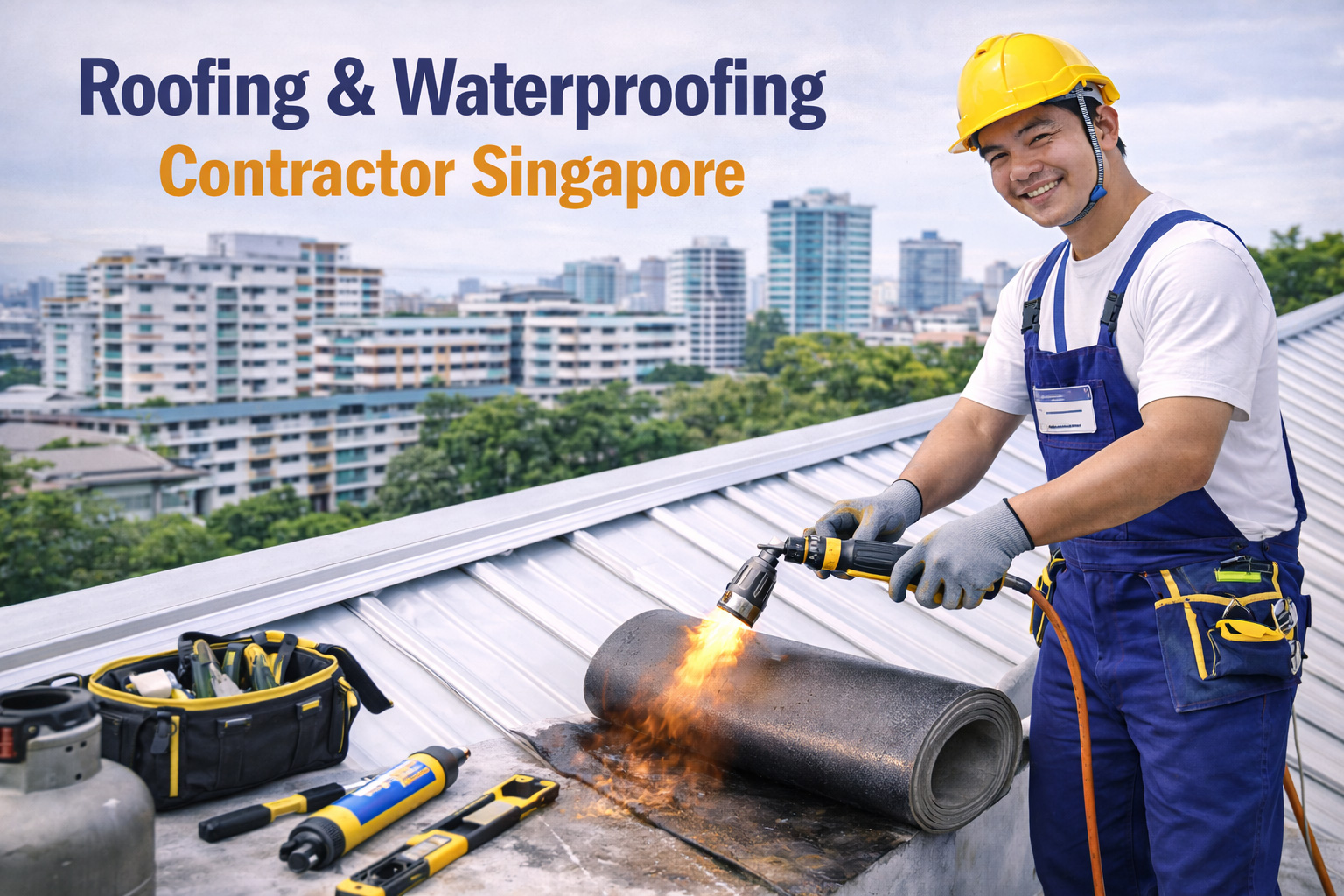
Roofing & Waterproofing Contractor Singapore

Roofing & Waterproofing Contractor Singapore: Ensuring Quality and Durability for Your Business

For Singapore businesses, having a reliable roofing system and waterproofing solution is crucial to protecting your property, employees, and assets. Whether you are constructing a new building or maintaining an existing one, hiring a reputable roofing and waterproofing contractor in Singapore is essential. Roofs that leak or become damaged can lead to costly repairs, reduced property value, and even safety hazards for workers or tenants.

In this guide, we will explore the importance of hiring the right contractor for your roofing and waterproofing needs, the services they offer, and the benefits of ensuring your property is properly protected. We will also discuss factors such as pricing, maintenance, and the various types of roofing and waterproofing systems that Singapore businesses can consider.

Why You Need a Professional Roofing & Waterproofing Contractor

A professional roofing and waterproofing contractor in Singapore plays a vital role in safeguarding your building from the tropical climate, which includes heavy rains, high humidity, and intense heat. Without proper roofing and waterproofing, your property may be at risk of water damage, which can lead to structural issues, mold growth, and increased maintenance costs.

Hiring an experienced contractor ensures that your roofing and waterproofing systems are installed or repaired correctly, following industry standards and local regulations. Below, we will take a closer look at the key benefits of working with a professional contractor.

Key Services Offered by Roofing & Waterproofing Contractors in Singapore

1. Roof Installation and Repair

Roofing contractors are responsible for the installation and repair of various types of roofs, including flat, sloped, and pitched roofs. Depending on the type of building, materials used, and environmental considerations, the contractor will recommend the best roofing system for your property. Common roofing materials in Singapore include asphalt shingles, metal roofing, and green roofs.

  • Roof Installation: For new buildings or renovation projects, professional roofing contractors ensure that the roof is constructed using durable, weather-resistant materials.

  • Roof Repairs: Damaged or aging roofs are a common issue for businesses, and timely repairs can prevent further damage. Roofing contractors handle everything from replacing missing shingles to addressing leaks and more extensive structural damage.

2. Waterproofing Solutions

Waterproofing is especially important in Singapore’s tropical climate, where heavy rainfall is common, and moisture levels can be high. A professional waterproofing contractor ensures that your building’s foundation, walls, and roof are properly sealed, preventing water from seeping in and causing damage.

Waterproofing contractors provide solutions for various types of structures, such as basements, rooftops, and balconies. Common waterproofing methods include:

  • Membrane Waterproofing: The installation of a waterproof membrane on surfaces that are prone to water infiltration.

  • Liquid Waterproofing: Applying a liquid coating that cures to form a seamless, waterproof barrier.

  • Cementitious Waterproofing: Using cement-based products to waterproof surfaces such as basements or walls.

3. Roof Coating and Maintenance

Regular roof coating is a vital maintenance service offered by roofing contractors. Roof coatings provide an additional layer of protection against harsh weather conditions, UV rays, and wear and tear. Contractors apply a protective coating to your roof to extend its lifespan, improve energy efficiency, and enhance its appearance.

Additionally, contractors offer periodic roof inspections and maintenance to catch potential issues early, saving your business from costly repairs in the future.

4. Leak Repairs and Troubleshooting

A common issue for many commercial properties is water leaks, often caused by damaged roofs or poorly sealed windows and doors. A professional contractor can quickly identify the source of the leak and recommend the appropriate repair. Whether the issue is a crack in the roof, faulty flashing, or a clogged drainage system, a roofing and waterproofing expert can fix the problem efficiently, preventing further damage.

Benefits of Hiring a Roofing & Waterproofing Contractor in Singapore

1. Expertise and Knowledge

Roofing and waterproofing contractors bring years of experience and specialized knowledge to your project. They are familiar with local building codes, regulations, and climate considerations, ensuring that the work is compliant with Singapore’s standards.

2. Quality Materials

Professional contractors work with high-quality, durable materials that are built to withstand Singapore’s weather conditions. By using the best roofing and waterproofing materials, your business can save money in the long run by reducing the frequency of repairs and replacements.

3. Cost-Effectiveness

While DIY solutions may appear to save money initially, they can lead to greater expenses in the long run if the job is not done correctly. A professional contractor will ensure the work is done right the first time, preventing costly mistakes and damage that could arise from poor workmanship.

4. Safety and Compliance

Roofing and waterproofing jobs can be hazardous if not done by trained professionals. Contractors are equipped with the right tools, safety gear, and knowledge to complete the work safely. They also ensure that the work complies with local regulations, which is particularly important when dealing with commercial properties.

5. Time-Saving

Hiring a contractor allows your business to focus on its core operations while the experts handle the roofing and waterproofing tasks. Contractors have the experience to complete the job efficiently and within the agreed timeframe, minimizing downtime and disruptions to your business.

Factors to Consider When Choosing a Roofing & Waterproofing Contractor

1. Experience and Reputation

Ensure that the contractor you hire has a solid track record of successful roofing and waterproofing projects in Singapore. Look for contractors who specialize in commercial properties and who can provide testimonials or case studies from past clients.

2. Licensing and Insurance

Check that the contractor holds the necessary licenses and certifications required by Singapore’s Building and Construction Authority (BCA). Additionally, confirm that the contractor is insured to protect your business from potential liability during the project.

3. Cost Estimates and Transparency

Request detailed cost estimates before hiring a contractor. Ensure that the contractor provides transparent pricing with no hidden fees. The estimate should cover materials, labor, and any additional services, such as clean-up or post-installation inspections.

4. Warranty and Aftercare

A reputable contractor will offer a warranty for both the materials used and the workmanship. This guarantees that if anything goes wrong after the project is completed, the contractor will address the issue at no extra cost.

Roofing & Waterproofing Costs for Singapore Businesses

The cost of roofing and waterproofing services in Singapore varies based on several factors:

  • Type of Roofing or Waterproofing System: Different materials and systems, such as green roofs or liquid waterproofing, can affect the price.

  • Building Size: Larger commercial properties will naturally incur higher costs due to the larger area to cover.

  • Repairs vs. New Installations: Repairing an existing roof or waterproofing system is generally more cost-effective than installing a new system.

  • Location: The cost may vary based on the location of your business and the accessibility of your building.

While the initial investment in roofing and waterproofing services can seem high, the long-term benefits of avoiding water damage, structural issues, and energy inefficiencies make it a smart investment for businesses.

FAQs About Roofing & Waterproofing Contractors in Singapore

1. What are the signs that my roof needs repair?

Common signs include leaks, water stains on ceilings, visible damage like cracks or holes, and mold growth.

2. How often should I maintain my roof?

Commercial roofs should be inspected at least once a year and after significant weather events to ensure they remain in good condition.

3. Can waterproofing prevent all types of water damage?

While waterproofing greatly reduces the risk of water damage, it’s important to choose the right system for your building’s needs and ensure proper installation.

4. How long does a roof installation take?

Depending on the size and complexity of the building, a roof installation can take anywhere from a few days to several weeks.

5. Are there environmentally friendly roofing and waterproofing options available?

Yes, many contractors offer eco-friendly roofing systems, such as green roofs or reflective coatings, as well as sustainable waterproofing solutions.

Conclusion: Protect Your Business with a Reliable Roofing & Waterproofing Contractor

For Singapore businesses, choosing the right roofing and waterproofing contractor is critical to ensuring the longevity and safety of your property. With the tropical climate posing unique challenges to buildings, investing in quality roofing and waterproofing systems is essential for preventing costly damage and maintaining a safe, energy-efficient environment.

By hiring a professional contractor with experience in commercial properties, you can rest assured that your roofing and waterproofing needs will be met with expertise, reliability, and attention to detail. Whether you need a new installation, routine maintenance, or repairs, make the smart choice today and ensure your business is protected for years to come.

aluminium honeycomb panels

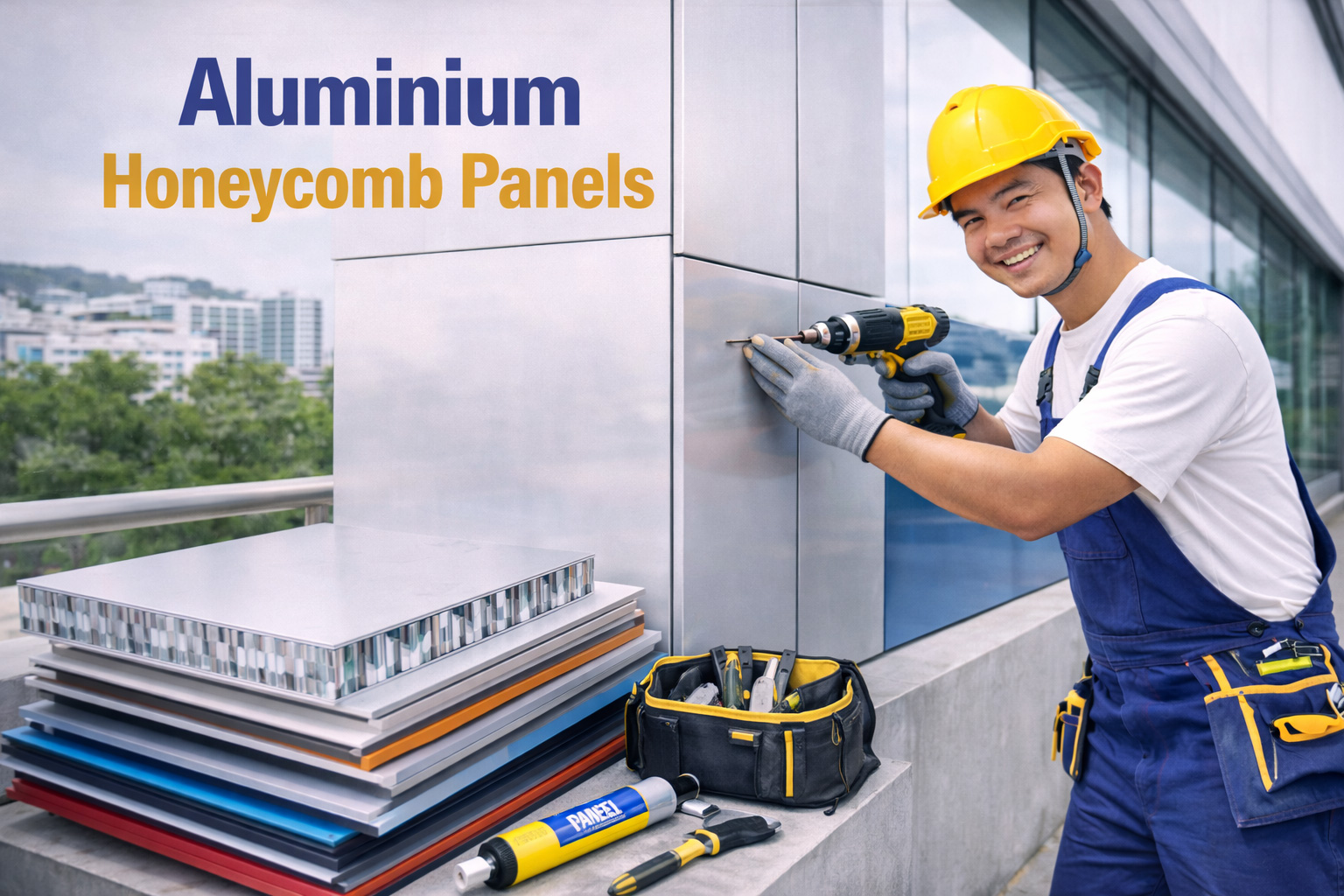
Aluminium Honeycomb Panels

The Ultimate Guide to Aluminium Honeycomb Panels for Singapore Businesses

In today’s competitive business landscape, especially in industries such as construction, architecture, and manufacturing, selecting the right materials can make or break the success of a project. One material that is gaining increasing popularity in Singapore is aluminium honeycomb panels. These panels have proven to be a versatile, lightweight, and durable solution for a variety of applications, from building facades to interior design and industrial use.

If you’re a business owner or project manager in Singapore looking for a material that offers excellent strength-to-weight ratio, cost efficiency, and design flexibility, aluminium honeycomb panels might just be the solution you need. In this comprehensive guide, we’ll delve into what aluminium honeycomb panels are, their key benefits, and how they can benefit your business operations. We will also explore the cost, common applications, and provide insights into whether aluminium honeycomb panels are a smart investment for your business.

What Are Aluminium Honeycomb Panels?

Aluminium honeycomb panels are lightweight yet highly durable materials made from an aluminium honeycomb core sandwiched between two thin layers of aluminium or other metals. The core of the panel resembles a honeycomb structure, which provides excellent strength while keeping the panel lightweight.

This unique construction offers remarkable rigidity, high strength, and excellent thermal and acoustic insulation. As a result, these panels are used across a variety of sectors, including architecture, construction, aviation, and automotive industries.

The aluminium honeycomb structure gives the panel an exceptional strength-to-weight ratio. Compared to traditional materials like plywood or MDF, aluminium honeycomb panels are significantly lighter but maintain a higher load-bearing capacity. This makes them perfect for applications where reducing weight without compromising on performance is essential.

Benefits of Aluminium Honeycomb Panels for Singapore Businesses

Aluminium honeycomb panels offer numerous advantages that can benefit Singapore businesses across multiple industries. Let’s break down some of the key benefits:

1. Lightweight Yet Strong

Due to their unique honeycomb structure, aluminium honeycomb panels are incredibly light compared to traditional materials like solid metal or plywood. This is particularly beneficial in sectors such as construction and transportation, where weight reduction can lead to cost savings in shipping, installation, and overall structural efficiency. For example, in the construction of skyscrapers or office buildings, aluminium honeycomb panels are used in facades and interiors to reduce the overall weight of the building structure, which in turn lowers the cost of the foundation and supporting structures.

2. Durability and Longevity

Aluminium is a naturally resistant material that does not rust, corrode, or degrade easily, making it ideal for Singapore’s tropical climate. With high humidity and salty air from proximity to the sea, Singapore’s environment can be harsh on materials. Aluminium honeycomb panels, however, withstand these conditions with ease, ensuring that your investment lasts for years without the need for frequent replacements or maintenance.

3. Energy Efficiency

Aluminium honeycomb panels have excellent insulation properties, offering great thermal and acoustic performance. They help keep buildings cooler in the hot and humid Singapore climate, which can lead to significant energy savings in air conditioning costs. Additionally, their soundproofing properties make them ideal for commercial spaces such as offices, restaurants, and retail shops that require privacy and noise control.

4. Design Flexibility

These panels are highly customizable, allowing businesses to choose from a wide variety of finishes, colors, and textures. Whether you’re looking for sleek, modern designs or more traditional aesthetics, aluminium honeycomb panels can be tailored to fit your vision. This makes them a versatile choice for architects and designers who need materials that can adapt to different styles and needs.

5. Eco-Friendly

Aluminium is 100% recyclable, and aluminium honeycomb panels are no exception. By choosing aluminium honeycomb panels, businesses in Singapore can align their operations with sustainable practices, making a positive impact on the environment. Additionally, because these panels are long-lasting and reduce the need for frequent repairs or replacements, they help minimize waste in the long run.

Common Applications of Aluminium Honeycomb Panels in Singapore

Aluminium honeycomb panels are used in various industries and applications due to their unique properties. Let’s explore some common uses for this material in Singapore:

1. Building Facades and Curtain Walls

Aluminium honeycomb panels are often used as cladding for building facades in Singapore, particularly in the construction of skyscrapers and commercial buildings. Their strength, lightness, and aesthetic flexibility make them ideal for creating visually appealing, durable, and energy-efficient facades.

2. Interior Design

From walls to ceilings, aluminium honeycomb panels are popular for creating modern and minimalist interior designs. Their insulating properties help maintain comfortable indoor temperatures while also providing soundproofing in offices, hotels, and residential buildings.

3. Transportation and Aerospace

The lightweight nature of aluminium honeycomb panels makes them an excellent choice for the transportation and aerospace industries. Singapore’s strong aviation and shipping sectors utilize these panels in aircraft interiors, ship hulls, and cargo hold structures to save weight and improve performance.

4. Furniture Manufacturing

In the furniture industry, aluminium honeycomb panels are used for high-end, durable, and stylish pieces such as tabletops, cabinet doors, and shelving. They offer a high-quality finish while ensuring the products are lightweight and easy to handle.

Cost of Aluminium Honeycomb Panels: Is It Worth the Investment?

One of the first questions businesses in Singapore might have is the cost of aluminium honeycomb panels. While the initial price of these panels can be higher compared to traditional materials, their long-term benefits make them a worthwhile investment.

Factors That Affect the Cost

  • Panel Thickness and Size: Larger panels or panels with greater thickness are more expensive.

  • Core Material: Some aluminium honeycomb panels use higher-grade materials for the core, which can increase costs.

  • Customization: Custom finishes, coatings, and colors will add to the overall price.

  • Quantity: Ordering in bulk often results in reduced costs per unit.

Return on Investment (ROI)

The higher upfront cost of aluminium honeycomb panels is quickly offset by their durability and low maintenance costs. With a longer lifespan and reduced need for frequent replacements or repairs, businesses can save money in the long run. Additionally, the energy savings achieved through better thermal insulation make these panels a cost-effective solution for businesses that need to manage operating costs.

Comparison: Aluminium Honeycomb Panels vs. Other Materials

When considering materials for construction, interior design, or manufacturing, it’s essential to compare aluminium honeycomb panels with other options. Here’s how they stack up:

FeatureAluminium Honeycomb PanelsPlywoodMDF (Medium Density Fibreboard)
WeightLightweightHeavyHeavy
StrengthHigh strength-to-weight ratioModerateLow
DurabilityHighly durable, corrosion-resistantProne to wear and tearEasily damaged by moisture
InsulationExcellent thermal & acoustic insulationLowModerate
CostHigher initial costLowerModerate to low
Eco-Friendliness100% recyclableLimitedLimited

From this comparison, it’s clear that while aluminium honeycomb panels may come at a higher initial cost, they provide greater value in terms of durability, insulation, and long-term savings, especially in Singapore’s climate.

Frequently Asked Questions (FAQs)

1. What industries use aluminium honeycomb panels in Singapore?

Aluminium honeycomb panels are used in a variety of industries in Singapore, including construction, architecture, transportation, aerospace, and furniture manufacturing.

2. Are aluminium honeycomb panels environmentally friendly?

Yes, aluminium is 100% recyclable, making aluminium honeycomb panels an eco-friendly option for businesses looking to reduce their environmental impact.

3. Can aluminium honeycomb panels be customized?

Yes, aluminium honeycomb panels come in a wide range of finishes, colors, and sizes, making them a versatile option for different design needs.

4. How long do aluminium honeycomb panels last?

With proper care and maintenance, aluminium honeycomb panels can last for decades without requiring significant repairs or replacements.

5. Are aluminium honeycomb panels cost-effective for businesses in Singapore?

While they may have a higher initial cost, the durability, energy efficiency, and low maintenance of aluminium honeycomb panels provide excellent value and a strong return on investment.

Conclusion: Why Aluminium Honeycomb Panels Are a Smart Choice for Singapore Businesses

Aluminium honeycomb panels are a revolutionary material that can transform the way businesses in Singapore approach construction, interior design, and manufacturing. With their lightweight design, durability, and insulation properties, these panels provide a host of benefits, from reducing energy costs to enhancing the aesthetics of your buildings.

For Singapore SMEs looking to invest in a cost-effective, long-term solution, aluminium honeycomb panels offer a compelling choice. Whether you’re involved in construction, manufacturing, or interior design, these panels can help elevate your business operations while providing a sustainable and efficient solution for your needs.

If you’re considering incorporating aluminium honeycomb panels into your next project, make sure to choose a reputable supplier who can provide the quality and customization options you need. Don’t miss out on the opportunity to improve your business’s bottom line—start exploring the potential of aluminium honeycomb panels today!

aluminium composite panels

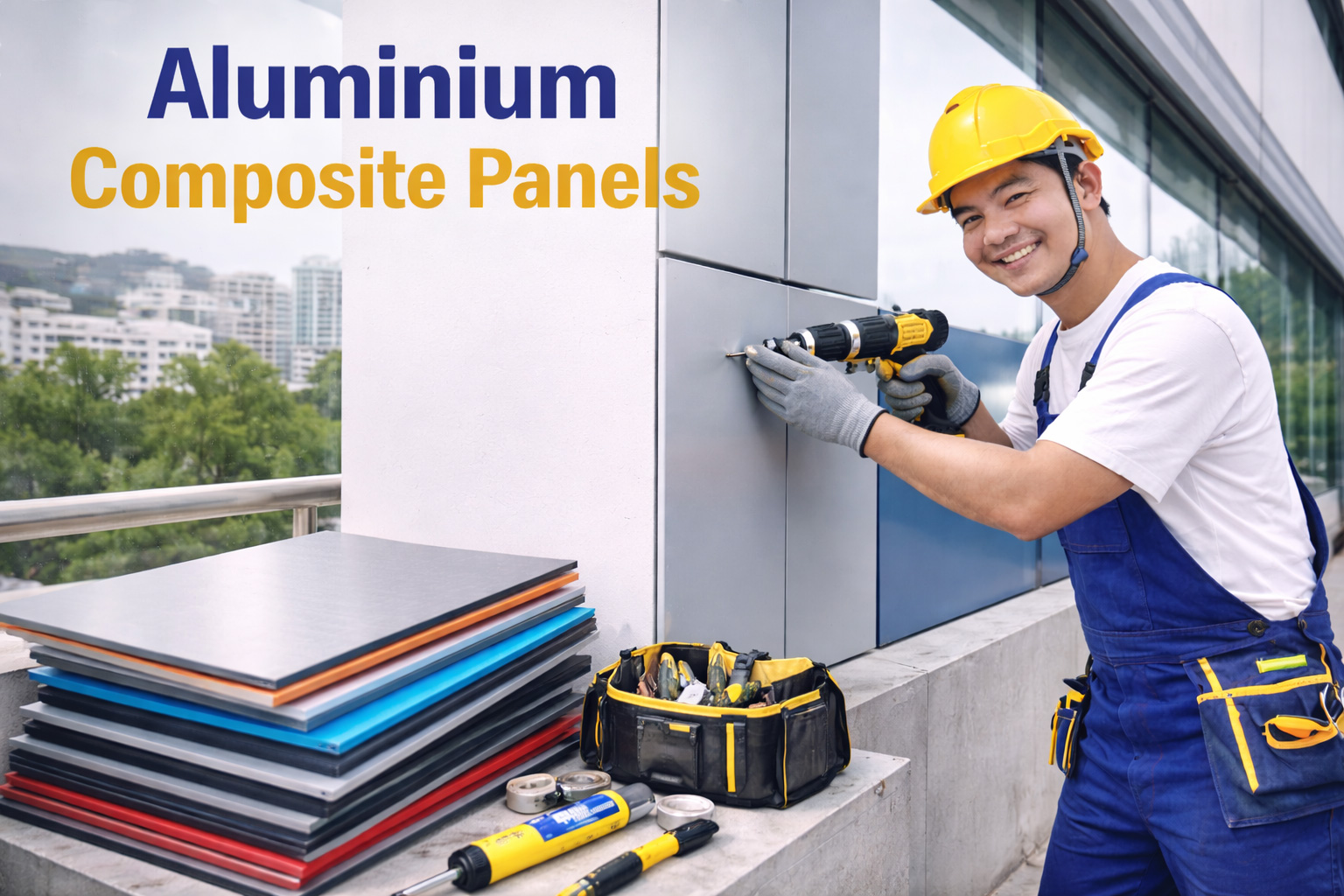
Aluminium Composite Panels

Aluminium Composite Panels: The Ideal Solution for Your Singapore Business’s Exterior and Interior Needs

In the fast-paced world of commercial real estate and construction, it’s essential for businesses in Singapore to utilize durable, aesthetic, and functional materials. One material that has gained significant popularity in the construction and renovation industry is Aluminium Composite Panels (ACP). Known for their versatility and visual appeal, ACPs are used in a wide variety of applications, ranging from building facades to interior design, making them an ideal choice for businesses looking to improve their space’s look and functionality.

In this comprehensive guide, we’ll explore everything you need to know about Aluminium Composite Panels—what they are, their benefits, and how they can enhance your business property. We’ll also delve into their costs, how to choose the right panels, and answer some frequently asked questions to ensure you have all the information you need to make an informed decision.

What are Aluminium Composite Panels?

Aluminium Composite Panels (ACP) consist of two thin layers of aluminium enclosing a non-aluminium core. These panels are lightweight, durable, and available in various finishes, making them an ideal choice for both exterior and interior applications. The combination of a metal surface and a composite core offers unique advantages, including ease of maintenance, exceptional aesthetics, and high resistance to environmental factors such as heat, moisture, and pollutants.

ACPs are widely used in the construction of commercial buildings, retail stores, offices, and even residential buildings. Their ability to be custom-cut, shaped, and coated with various colors and finishes makes them a versatile option for creating striking and durable facades.

Benefits of Aluminium Composite Panels for Singapore Businesses

When it comes to selecting materials for your building’s façade or interior design, Aluminium Composite Panels offer a variety of benefits that make them a smart choice for Singapore businesses. Here are some of the key advantages of ACPs:

1. Durability and Longevity

ACPs are extremely durable, able to withstand extreme weather conditions, such as heavy rainfall, high humidity, and intense sunlight, which are typical in Singapore. The aluminium surface is resistant to corrosion, and the core material is designed to withstand impact and stress, ensuring the panels last for decades with minimal maintenance.

  • Benefits for your business: The panels maintain their appearance and structural integrity for a long time, reducing the need for frequent repairs or replacements.

2. Aesthetic Appeal and Versatility

ACPs come in a wide range of colors, finishes, and textures, allowing businesses to customize their building’s appearance. Whether you prefer a sleek, modern look with glossy finishes or a more natural, matte appearance, ACPs offer a wide variety of options to suit your design preferences.

  • Benefits for your business: An aesthetically appealing building can enhance your company’s image, attract customers, and contribute to a positive first impression.

3. Lightweight and Easy to Install

Unlike traditional building materials such as concrete or brick, ACPs are lightweight and easy to handle. This reduces the overall weight of the structure, making them ideal for use in multi-story buildings or areas where reducing the building’s weight is necessary. The ease of installation also means that installation time is shortened, minimizing disruption to your business operations.

  • Benefits for your business: Reduced installation time leads to cost savings and less disruption during construction or renovation.

4. Energy Efficiency

ACPs are highly energy-efficient due to their core material, which provides insulation properties. The panels help to maintain a building’s internal temperature by reducing heat gain from the outside, which can be particularly beneficial in Singapore’s hot and humid climate. This, in turn, can reduce the reliance on air conditioning, lowering energy bills.

  • Benefits for your business: Increased energy efficiency can contribute to lower operating costs and a more comfortable indoor environment for employees and customers.

5. Low Maintenance

One of the major benefits of Aluminium Composite Panels is their low maintenance requirements. The surface is easy to clean, and unlike traditional materials, there is little risk of wear and tear from environmental exposure. Cleaning with water or mild detergent is often sufficient to keep the panels looking as good as new.

  • Benefits for your business: Less time and money spent on maintenance mean you can focus on running your business without worrying about frequent repairs.

Types of Aluminium Composite Panels

Aluminium Composite Panels come in several types and configurations to meet the needs of different applications. The most common types include:

1. PE Core Panels

These ACPs have a polyethylene (PE) core and are widely used for applications that require a lightweight material with good aesthetics. PE core panels are ideal for building facades, cladding, and signage.

  • Best for: Facades, exterior cladding, signage, and decorative elements.

2. Fire-Rated Panels (FRP)

For areas where fire safety is a concern, fire-rated ACPs are available. These panels have a mineral core that is designed to provide increased fire resistance. They are often used in high-rise buildings and commercial spaces where fire protection is a top priority.

  • Best for: High-rise buildings, commercial spaces, and locations requiring higher fire safety standards.

3. PVDF Coated Panels

PVDF-coated panels are coated with a high-quality fluoropolymer resin (PVDF), offering superior durability, UV resistance, and color retention. These panels are ideal for areas exposed to harsh environmental conditions and those that require long-lasting color retention.

  • Best for: External cladding, facades, and areas that experience high levels of UV exposure.

4. Anodized Aluminium Panels

Anodized ACPs have an electrochemical finish that provides an additional layer of protection, making them resistant to corrosion and wear. These panels are ideal for projects requiring a metallic look with added protection.

  • Best for: Areas that require a more industrial or sleek appearance with enhanced durability.

Cost of Aluminium Composite Panels in Singapore

The cost of Aluminium Composite Panels varies depending on several factors, such as the type of panel, size, thickness, and finish. Here is a general breakdown of the costs involved:

1. Material Cost

The cost per square meter of ACPs typically ranges from SGD 30 to SGD 100, depending on the type of core material and coating used. Fire-rated and PVDF-coated panels are generally more expensive than standard PE core panels due to their added durability and features.

  • Basic ACPs (PE Core): SGD 30 – SGD 60 per square meter

  • Fire-Rated ACPs (FRP): SGD 70 – SGD 100 per square meter

  • PVDF Coated Panels: SGD 50 – SGD 80 per square meter

  • Anodized Panels: SGD 60 – SGD 90 per square meter

2. Installation Cost

The installation cost for ACPs typically ranges from SGD 10 to SGD 40 per square meter, depending on the complexity of the installation and the contractor’s rates.

  • Estimated installation cost: SGD 10 – SGD 40 per square meter

3. Additional Costs

  • Custom Design or Fabrication: Custom sizes or shapes may incur additional fabrication fees.

  • Maintenance and Cleaning: Low maintenance costs, usually between SGD 150 – SGD 500 annually for cleaning and upkeep.

Overall, the total cost of installing Aluminium Composite Panels on a commercial building in Singapore can range from SGD 5,000 to SGD 50,000, depending on the scale and complexity of the project.

FAQ About Aluminium Composite Panels

1. How long do Aluminium Composite Panels last?

With proper installation and maintenance, ACPs can last up to 30 years or more. Their durability and resistance to environmental factors ensure they provide long-term value.

2. Are Aluminium Composite Panels eco-friendly?

Yes, ACPs are considered environmentally friendly because they are made from recyclable materials. Additionally, they can contribute to energy efficiency by improving insulation in the building.

3. Can Aluminium Composite Panels be used for both exterior and interior applications?

Yes, ACPs are highly versatile and can be used for both exterior applications, such as cladding and facades, as well as interior applications, such as walls, ceilings, and decorative elements.

4. How do I maintain Aluminium Composite Panels?

ACPs are low-maintenance. Regular cleaning with water or mild detergent is sufficient to keep the panels looking good. For more stubborn stains, professional cleaning services can be employed.

5. Can Aluminium Composite Panels be repaired if damaged?

Yes, ACPs can be repaired if damaged. Small dents or scratches can often be touched up, while larger repairs may require the replacement of a section of the panel.

Conclusion: Invest in Aluminium Composite Panels for a Durable, Aesthetic Solution

Aluminium Composite Panels provide businesses in Singapore with a practical, durable, and visually appealing solution for a variety of applications. Whether you are updating the façade of your building, enhancing your interior design, or looking for an energy-efficient cladding solution, ACPs are the ideal choice.

Their flexibility, long-lasting performance, and low maintenance requirements make them a smart investment for businesses seeking to improve their property’s appearance and functionality. Reach out to a professional contractor today to explore how Aluminium Composite Panels can transform your space and provide lasting value for your business.

By choosing ACPs, you not only enhance the aesthetic appeal of your property but also ensure its durability against the harsh weather conditions in Singapore. Start your next construction or renovation project with Aluminium Composite Panels and experience the difference they can make for your business.

roof top water seepage problem

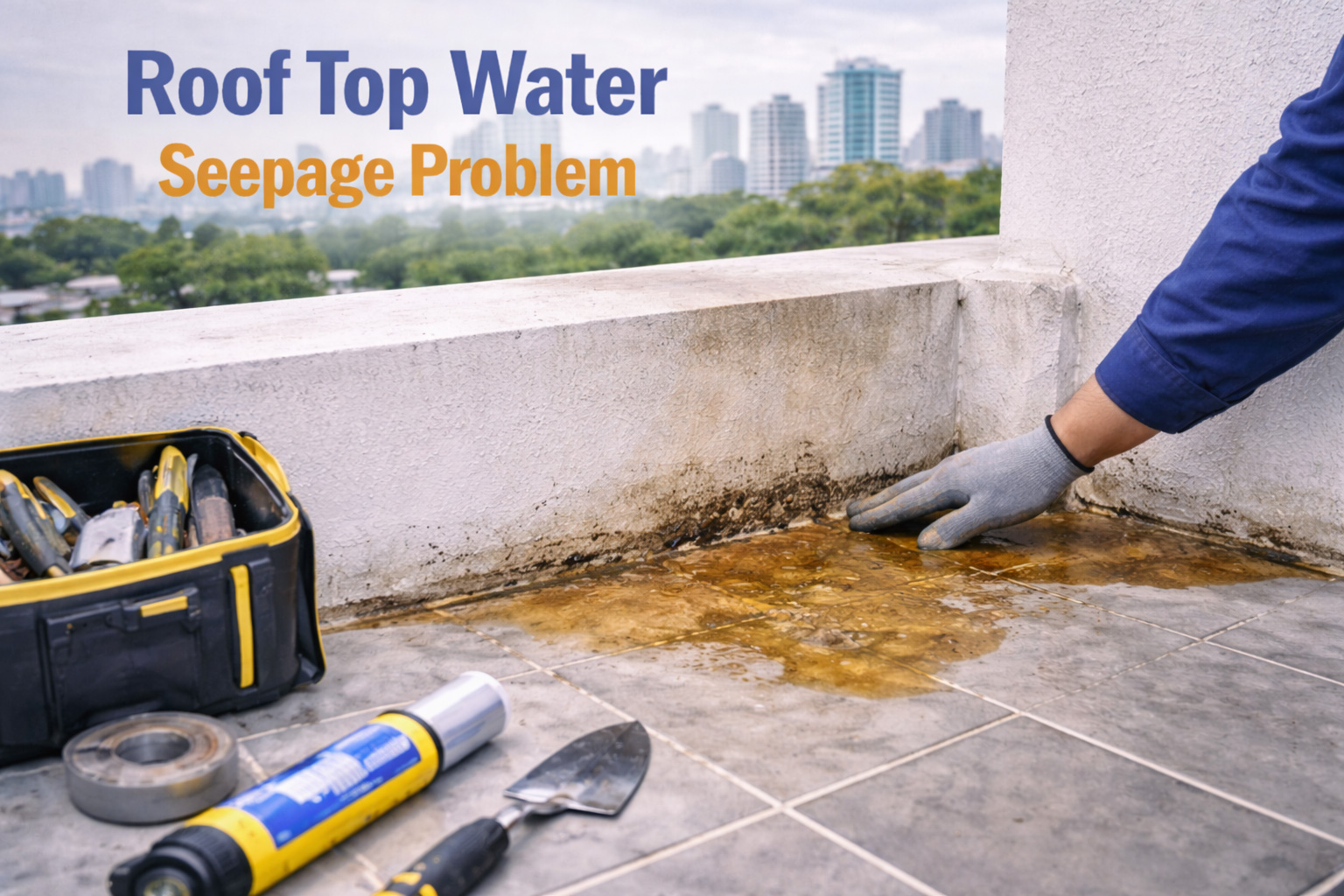
Roof Top Water Seepage Problem

Roof Top Water Seepage Problem: How to Identify, Fix, and Prevent It in Your Singapore Business

Water seepage is a common issue that many business owners in Singapore face, and roof top water seepage problems are particularly problematic. Roof leaks can lead to extensive damage, not only to the building itself but also to the internal structure, leading to costly repairs, mold growth, and potential disruptions to daily operations. Singapore’s tropical climate—with its heavy rainfall, high humidity, and frequent thunderstorms—makes it even more crucial to address roof seepage problems quickly and effectively.

In this detailed guide, we’ll explore the causes and signs of roof top water seepage problems, how to fix them, and most importantly, how to prevent them from recurring. Whether you manage a commercial building, retail space, or office in Singapore, understanding how to address these issues will help protect your property and reduce long-term maintenance costs.

What Is a Roof Top Water Seepage Problem?

Roof top water seepage refers to the unwanted flow of water through cracks, holes, or joints in the roof structure, leading to leaks and water damage inside the building. In Singapore’s humid and wet climate, roof leaks are particularly common in older buildings, where the roof and its waterproofing may have deteriorated over time. Water seepage can cause various issues, including ceiling stains, mold growth, and damage to electrical systems, resulting in costly repairs.

To avoid the escalating costs and disruption that roof top water seepage problems can cause, it’s crucial to address the issue as soon as you notice signs of water infiltration. Left untreated, this issue can lead to significant structural damage and safety hazards.

Causes of Roof Top Water Seepage Problems in Singapore

Understanding the root causes of roof top water seepage problems is key to finding the right solutions. Below are the most common reasons why roof leaks occur in Singapore businesses:

1. Damaged or Worn-Out Waterproofing

Over time, the waterproofing membranes or coatings used on flat roofs or sloped roofs can deteriorate due to exposure to UV rays, moisture, and temperature fluctuations. Once the waterproofing layer is damaged, water can seep into the roof structure and create leaks.

  • Signs: Discoloration of the ceiling, damp spots on the walls, and peeling paint near the ceiling area.

2. Clogged Roof Drains

Roof drains help direct water away from the roof, but over time, debris, leaves, dirt, or even birds’ nests can clog the drainage system, leading to water pooling on the roof. The excess water can then seep through cracks or joints, causing leaks inside the building.

  • Signs: Water pooling on the roof after rainfall, slow drainage, or visible debris in the drainage areas.

3. Improper Roof Installation or Poor Construction

In some cases, roof top water seepage problems may occur due to poor roof installation or faulty construction. If the roofing system wasn’t properly designed or installed, or if there are gaps in joints or flashing, water can infiltrate through those weak points.

  • Signs: Leaks around seams or joints, visible gaps or improperly sealed edges, or uneven roof surfaces.

4. Roof Aging and Wear and Tear

As roofs age, their materials naturally begin to wear out. This is especially true for older buildings, where the roofing materials may no longer be up to modern standards. Age-related issues, such as cracked tiles or corroded metal, can allow water to seep through.

  • Signs: Visible cracks, rust spots, or sagging sections on the roof.

5. Faulty Flashing

Flashing is the material used to seal the joints between different sections of the roof, such as where the roof meets the walls, chimneys, or vents. If the flashing becomes loose, damaged, or improperly installed, water can easily penetrate the roof.

  • Signs: Leaks around chimneys, vents, skylights, or other roof penetrations.

How to Identify Roof Top Water Seepage Problems

Early detection of roof top water seepage problems is critical to prevent costly repairs. Here are some common signs that your roof may have a water seepage problem:

1. Water Stains on Ceilings and Walls

One of the most obvious signs of roof seepage is water stains on the ceiling or walls, especially directly beneath the roof. These stains may start small but can spread quickly if not addressed.

2. Musty Odor

A musty or damp smell in your business space could indicate water seepage, particularly if it’s accompanied by visible water stains. This odor often comes from mold or mildew, which thrives in damp environments.

3. Peeling Paint or Wallpaper

Water can cause paint or wallpaper to peel or bubble, especially on ceilings and walls directly beneath the affected roof area. This is a clear indication that water has seeped through the roof and is affecting the interior.

4. Mold and Mildew Growth

Mold and mildew are common signs of prolonged moisture in a building. If you notice mold growth near the ceiling or corners of your walls, it’s essential to check your roof for water seepage.

5. Visible Cracks or Holes in the Roof

If you can safely inspect your roof, look for any visible cracks, holes, or damaged areas. These could be the source of water infiltration. Cracks in tiles or worn-out roofing materials are often the primary causes of seepage.

How to Fix Roof Top Water Seepage Problems

Once you’ve identified that your building has roof top water seepage problems, it’s crucial to address the issue immediately to avoid further damage. Here are some common solutions:

1. Repair or Replace the Waterproofing Membrane

If your roof’s waterproofing is damaged or worn out, it’s essential to repair or replace it. Professional contractors can apply a new waterproofing layer to prevent water from infiltrating the roof and to protect your property from future leaks.

  • Tip: Make sure the contractor uses high-quality materials designed for Singapore’s climate, ensuring long-lasting protection.

2. Clear Blocked Roof Drains

Roof drains can often become clogged with debris, which causes water to pool and eventually seep through the roof. Hire a contractor to clean and clear out any blockages in your roof drainage system to ensure proper water flow.

  • Tip: Regularly clean gutters and drains to prevent future blockages, especially during the rainy season.

3. Replace Damaged Roof Materials

If your roof has cracked tiles, rusted metal, or damaged materials, they should be replaced. Professional contractors can inspect your roof and replace any damaged areas to restore its functionality.

  • Tip: Regular roof inspections every few years can help catch small issues before they turn into larger problems.

4. Seal Gaps and Joints

If the cause of the seepage is faulty flashing or gaps in the roof joints, the solution is to reseal the affected areas. Properly sealing the seams and joints of the roof ensures that water cannot penetrate and cause leaks.

  • Tip: Use high-quality sealants designed for roofing applications to ensure a watertight seal.

5. Install a New Roof

In cases of severe damage or aging roofs, replacing the entire roof may be necessary. While this is a more costly solution, it may be the most cost-effective in the long run if the roof is beyond repair.

  • Tip: Consider upgrading to more durable roofing materials, such as metal or modern polymer-based options, which provide better water resistance and longevity.

Cost of Fixing Roof Top Water Seepage Problems in Singapore

The cost of repairing roof top water seepage problems depends on the extent of the damage, the materials used, and the size of the roof. Below is a general breakdown of costs for different types of repairs:

1. Minor Repairs

  • Cost Range: SGD 200 – SGD 1,000

  • Includes small fixes such as resealing joints, fixing small cracks, and clearing blocked drains.

2. Moderate Repairs

  • Cost Range: SGD 1,000 – SGD 5,000

  • Involves replacing damaged waterproofing membranes, patching larger cracks, or repairing sections of the roof.

3. Major Repairs

  • Cost Range: SGD 5,000 – SGD 20,000+

  • For extensive repairs, such as replacing the entire roof, repairing structural damage, or redoing the waterproofing system.

For an accurate quote, it’s recommended to contact a professional roofing contractor in Singapore to conduct an inspection and provide a tailored solution.

FAQ About Roof Top Water Seepage Problems

1. How do I know if my roof has a water seepage problem?

Common signs include water stains on ceilings and walls, mold or mildew growth, peeling paint, and a musty smell. If you notice any of these signs, it’s essential to inspect the roof for leaks.

2. Can I fix the water seepage problem myself?

While minor fixes like cleaning blocked drains or sealing small cracks can be done DIY, it’s always better to hire a professional for comprehensive repairs. Professional contractors ensure the problem is fixed correctly and safely.

3. How long does it take to fix a roof top water seepage problem?

The time needed depends on the severity of the problem. Minor repairs may take a day, while extensive work, such as replacing the roof or waterproofing, may take several days to weeks.

4. How long will a new roof last?

A new roof, if properly installed and maintained, can last anywhere from 15 to 50 years, depending on the materials used and the climate conditions.

5. What causes roof top water seepage in Singapore?

Singapore’s humid climate and frequent rainfall can deteriorate roofing materials over time. Other causes include poor waterproofing, clogged drains, cracks in the roof, and damaged flashing.

Conclusion: Protect Your Property from Roof Top Water Seepage Problems

Roof top water seepage problems can cause extensive damage to your business property in Singapore if left unaddressed. Regular inspections, timely repairs, and proper maintenance are key to preventing costly water damage and ensuring the long-term protection of your building. Whether it’s fixing minor leaks or replacing an entire roof, working with a professional contractor is the best way to protect your property from the damaging effects of water seepage.

If you’re experiencing roof top water seepage problems, contact a trusted contractor today for an inspection. Addressing the issue early will save you money and help maintain the structural integrity of your business for years to come.

balcony water seepage problem

Balcony Water Seepage Problem

Balcony Water Seepage Problem: Solutions for Singapore Businesses

For businesses in Singapore, maintaining the integrity of the building is essential to ensure a safe, functional, and welcoming environment. Among the various types of water damage, balcony water seepage problems are often overlooked but can lead to significant long-term issues if not addressed. Water seepage on balconies, whether in commercial or residential buildings, can cause structural damage, mold growth, and unpleasant odors, all of which compromise the overall health of the property.

This comprehensive guide will explore the causes of balcony water seepage problems, their impact, and most importantly, the solutions to prevent and fix these issues in your Singapore property. Whether you manage an office, retail store, or residential unit, understanding how to deal with water seepage on your balcony is crucial for long-term property maintenance.

What is Balcony Water Seepage and Why Does it Matter?

Balcony water seepage refers to the infiltration of water through cracks or gaps in the structure of the balcony, often affecting the ceiling or walls below the balcony area. This water seepage can be caused by various factors, including faulty waterproofing, clogged drainage systems, or natural wear and tear over time.

In Singapore’s humid climate, balconies are particularly prone to water damage, given the frequent rainfall and high humidity levels. Left untreated, balcony water seepage can result in serious consequences, including:

  • Structural damage: Continuous exposure to water can weaken the building’s structural integrity, causing cracks in the concrete or rusting of metal reinforcements.

  • Mold and mildew growth: Damp conditions provide a perfect environment for mold and mildew, which can pose health risks to building occupants.

  • Aesthetic deterioration: Water stains, peeling paint, and damaged finishes on the balcony or ceilings below can affect the appearance of your property, diminishing its value.

Addressing balcony water seepage problems as soon as they arise is essential to avoid costly repairs and minimize the impact on your building’s structural integrity.

Common Causes of Balcony Water Seepage

Understanding the causes of balcony water seepage is the first step toward effectively addressing the issue. Below are the most common reasons why balconies experience water seepage in Singapore:

1. Improper Waterproofing

Waterproofing is crucial for balconies to prevent water from penetrating through the concrete or surface materials. Over time, the waterproofing membrane may degrade due to age, weather conditions, or poor installation, leading to water leakage and seepage.

  • Signs: Cracked tiles, peeling paint, or damp spots on the ceiling below the balcony.

2. Clogged or Blocked Drainage Systems

Balconies typically have drainage systems to direct water away from the structure. If these drains are clogged with debris, leaves, or dirt, water may accumulate on the surface, causing it to seep into the building. Over time, stagnant water can seep into the walls and floors.

  • Signs: Pooling water on the balcony, slow drainage, or foul odors coming from the drains.

3. Cracks in the Concrete or Balcony Surface

Concrete is a porous material, and over time, it can develop cracks due to natural settling, shifting, or external pressure. Water can seep through these cracks and into the underlying structure, causing significant damage over time.

  • Signs: Visible cracks on the balcony floor or walls, water stains, or mold growth on the ceiling below.

4. Damaged Balcony Seals

The seals around the edges of the balcony, where it connects to the building, may degrade over time due to weather conditions or wear. When the seals are damaged, water can easily seep into the structure, particularly during heavy rainfall.

  • Signs: Water leaking from the edges of the balcony, water stains on the walls or ceilings below, or water collecting near the balcony’s edge.

5. Faulty or Poorly Installed Flashing

Flashing is the material used to direct water away from critical areas like joints, rooflines, and the edges of the balcony. If the flashing is poorly installed or deteriorates, it can allow water to seep into the building, especially during rainfall or storms.

  • Signs: Water seepage around windows, doors, or the edges of the balcony, especially after heavy rain.

How to Identify a Balcony Water Seepage Problem

Detecting balcony water seepage problems early is crucial for minimizing damage. Here are the most common signs that you may have a water seepage issue on your balcony:

1. Visible Water Stains

Water stains on the walls or ceiling below the balcony are often the first indication of a water seepage problem. These stains can be brown or yellow and may expand as the problem worsens.

2. Dampness or Musty Odor

A persistent musty odor or dampness on the balcony or in the rooms below could indicate that water is slowly seeping through the structure. The humidity can also create an environment conducive to mold and mildew growth.

3. Cracked or Peeling Paint

If the paint on your balcony or the ceiling below is peeling or bubbling, it may be due to water infiltration. This can result from the water weakening the bond between the paint and the surface.

4. Pooling Water on the Balcony

If water collects on your balcony after rain and doesn’t drain away properly, it could indicate a clogged drain or drainage system. Prolonged pooling water can eventually seep through cracks or openings, leading to significant damage.

5. Visible Cracks

Cracks in the balcony floor or surrounding walls can allow water to seep into the building. These cracks may be small at first but can grow over time, making the water seepage worse.

How to Fix Balcony Water Seepage Problems

Addressing balcony water seepage problems requires prompt and effective solutions. Depending on the cause, here are some of the most common fixes for this issue:

1. Repairing or Replacing Waterproofing

If the cause of the seepage is damaged waterproofing, you’ll need to repair or replace the waterproof membrane. A professional contractor can inspect the balcony and apply a new waterproofing system to prevent further water damage.

2. Cleaning and Unclogging Drains

Regular maintenance of your balcony’s drainage system is essential to prevent blockages. Hire a professional plumber to clean the drains and remove debris, leaves, and dirt. Installing a mesh filter can help prevent future blockages.

3. Sealing Cracks

Cracks in the balcony surface should be sealed with high-quality concrete sealant. For more extensive cracks, a structural repair may be required to ensure the integrity of the surface.

4. Reinstalling or Replacing Flashing

If the flashing around the balcony is damaged, it should be replaced or resealed to ensure proper water diversion. Flashing installation requires expertise to ensure that water is properly directed away from vulnerable areas.

5. Improving Balcony Drainage

If your balcony is prone to pooling water, you may need to improve its drainage. A contractor can install new drains or ensure that existing ones are functioning correctly.

Cost of Fixing Balcony Water Seepage in Singapore

The cost of fixing a balcony water seepage problem in Singapore depends on several factors, including the severity of the damage, the materials used, and the contractor’s rates. Below are some general cost estimates:

1. Minor Repairs

  • Cost Range: SGD 200 to SGD 1,000

  • Minor repairs typically involve sealing small cracks, unclogging drains, or fixing minor leaks. These repairs are relatively affordable and can often be done quickly.

2. Moderate Repairs

  • Cost Range: SGD 1,000 to SGD 3,000

  • This may include repairing or replacing the waterproofing membrane, resealing large cracks, or replacing damaged flashing. Moderate repairs may take a few days to complete.

3. Major Repairs

  • Cost Range: SGD 3,000 to SGD 8,000

  • Major repairs involve significant structural work, such as replacing extensive waterproofing, repairing large cracks, or addressing foundational issues. These repairs require more time and labor, leading to higher costs.

FAQ About Balcony Water Seepage Problems

1. How long does it take to fix a balcony water seepage problem?

The time required for repairs depends on the severity of the issue. Minor repairs may take a day or two, while more extensive work could take up to a week or longer.

2. Can I prevent balcony water seepage with regular maintenance?

Yes, regular maintenance of the balcony’s waterproofing system, drainage, and seals can help prevent water seepage issues. Annual inspections are recommended to catch problems early.

3. Is it safe to use my balcony if there’s water seepage?

If you notice water seepage or dampness on your balcony, it’s best to avoid using it until the issue is resolved. Prolonged water damage can weaken the structure and pose a safety risk.

4. What materials should be used for waterproofing my balcony?

High-quality waterproofing membranes, such as bituminous coatings or liquid-applied membranes, are ideal for balconies in Singapore’s climate. A professional contractor can recommend the best materials for your specific needs.

5. Can I fix the water seepage problem myself?

While minor repairs, such as sealing small cracks, can be done by DIYers, it’s best to consult a professional contractor for more extensive repairs. A contractor will ensure that the repair is done correctly and prevent future water seepage.

Conclusion: Address Balcony Water Seepage Problems for a Safe and Dry Property

Dealing with balcony water seepage problems quickly and effectively is crucial for the long-term health of your business property. By understanding the causes and solutions for water seepage, you can protect your building from structural damage, mold growth, and aesthetic deterioration. Hiring a professional contractor for repairs and regular maintenance will ensure that your balcony remains in optimal condition, saving you time and money in the future.

If you’re dealing with balcony water seepage in your business, don’t wait for the issue to worsen. Contact a professional contractor in Singapore to inspect and resolve the problem today, ensuring the safety and longevity of your property.

toilet water seepage problem

Toilet Water Seepage Problem

Toilet Water Seepage Problem: How to Solve and Prevent Water Damage in Your Singapore Business

Water seepage is a common issue that many property owners in Singapore face, especially when it involves the toilet area. A toilet water seepage problem can lead to severe damage to both the building’s structure and interior finishes. The consequences of untreated seepage can include mold growth, compromised walls and ceilings, foul odors, and even structural deterioration. For businesses, this can result in expensive repairs and disruptions to daily operations.

In this blog post, we’ll explore the causes of toilet water seepage problems, how to identify them, and most importantly, how to prevent and fix them. We’ll also discuss the best practices for managing water leakage in your Singapore property, the costs involved, and frequently asked questions.

What Is Toilet Water Seepage and Why Should Singapore Businesses Care?

Toilet water seepage refers to the unwanted penetration of water into or through the structure surrounding a toilet, such as the walls, floors, and ceilings. The water may originate from the toilet bowl, sink, pipes, or drainage system. If left unresolved, this problem can lead to significant damage over time, resulting in costly repairs and health hazards due to mold growth or structural weakening.

For businesses, toilet water seepage can pose several risks, including:

  • Structural damage: Continuous water exposure can weaken building materials like drywall, plaster, and wood.

  • Health risks: Mold and mildew thrive in damp environments, potentially leading to respiratory issues and allergies for employees and customers.

  • Property devaluation: Water damage, especially when noticeable, can decrease the aesthetic appeal of the property and reduce its value.

If you notice any signs of toilet water seepage in your business property, it’s crucial to act quickly. Left unchecked, the problem can worsen, resulting in more expensive repairs and longer downtime for your business.

Causes of Toilet Water Seepage in Singapore Properties

Understanding the root causes of toilet water seepage problems is key to addressing and preventing them. Below are the common causes of water seepage in toilet areas in Singapore:

1. Leaky or Faulty Pipes

Old, corroded, or improperly installed pipes are a frequent cause of water seepage in the toilet. Over time, the pipes can crack or wear out, allowing water to leak into the surrounding walls or floors. This is particularly common in older properties where the plumbing system has not been updated or maintained.

  • Signs: Damp spots on walls or floors near pipes, increased water bills, or noticeable water pooling near the toilet.

2. Cracked Toilet Bowl or Sink

Cracks or chips in the toilet bowl, sink, or other bathroom fixtures can allow water to seep out, particularly when pressure is applied during flushing. Small cracks may go unnoticed, but over time, they can cause significant water damage.

  • Signs: Water stains on the ceiling or wall below the toilet, water pooling around the base of the toilet or sink, or mold growth near the affected areas.

3. Damaged Seals Around Toilet Base

The seal between the toilet base and the floor is essential for preventing water leakage. If the seal becomes damaged, broken, or worn out, water can seep from the base of the toilet, leading to floor and wall damage.

  • Signs: Water around the base of the toilet, floor tiles or grout becoming loose or discolored, or mold growing under the toilet.

4. Clogged or Blocked Drainage System

A blocked toilet drainage system can result in water backing up into the toilet, causing overflows and seepage. Clogs can also occur in the pipes leading from the toilet to the main sewage system, resulting in water pooling around the toilet area.

  • Signs: Slow drainage, foul smells, or water backing up into the toilet or bathroom area.

5. Poor Waterproofing in Toilet Areas

In Singapore’s tropical climate, where high humidity and frequent rain are common, proper waterproofing is essential. A poorly waterproofed toilet area may allow water to seep into the surrounding walls, floors, and ceilings. If the waterproofing layer is damaged or deteriorated, this can exacerbate water seepage problems.

  • Signs: Water stains on walls or ceilings, especially in areas adjacent to the toilet, or dampness in the bathroom even after showers or flushes.

How to Identify and Prevent Toilet Water Seepage Problems

Detecting toilet water seepage problems early is crucial to preventing long-term damage. Here are some common methods for identifying and preventing water seepage:

1. Regular Inspections and Maintenance

Conduct regular inspections of your toilet plumbing system, pipes, and seals to catch any issues before they become significant problems. Look for damp spots, water stains, or visible cracks around pipes, the toilet bowl, and other fixtures. Ensuring that your plumbing is in good condition can help prevent potential leaks.

  • Tip: Schedule annual or bi-annual inspections with a professional plumber to detect hidden issues early.

2. Check for Dampness and Mold

Check the toilet walls, floor tiles, and surrounding areas for any signs of dampness or mold. Dampness in walls and ceilings often indicates that water has seeped through the surface, leading to mold growth. Mold is harmful to health, so addressing the problem early can prevent costly remediation efforts later.

  • Tip: Use a dehumidifier or ventilation fan to reduce moisture levels in the bathroom, especially if it’s a high-humidity area.

3. Inspect Toilet Fixtures and Pipes

Perform regular checks on your toilet’s fixtures, including the base, tank, and plumbing connections. If any parts show signs of wear, such as cracked pipes or loose fittings, have them replaced or repaired promptly. Replacing a damaged toilet seal or pipe can prevent water seepage from becoming a larger issue.

  • Tip: If you notice leaks near the toilet, consider having the entire toilet and plumbing system inspected and replaced if necessary.

4. Ensure Proper Waterproofing

Ensure that your toilet and bathroom are properly waterproofed. For new installations or major renovations, it’s important to hire a contractor to apply a high-quality waterproofing membrane to prevent water from leaking into adjacent areas. This step is particularly important in Singapore, where constant moisture and humidity can compromise the effectiveness of waterproofing systems.

  • Tip: Work with a licensed contractor to apply a durable, long-lasting waterproofing solution to your toilet area.

Benefits of Addressing Toilet Water Seepage Problems Early

Addressing toilet water seepage problems early can prevent more significant issues down the line. Here are the key benefits of taking action as soon as you notice any signs of water seepage:

1. Prevents Structural Damage

Unaddressed water seepage can cause extensive structural damage to walls, floors, ceilings, and even the foundation of your building. Repairing water damage early can prevent costly structural repairs.

2. Protects Your Property’s Value

Water damage, particularly from toilet seepage, can significantly reduce the value of your property. By fixing the problem early, you protect your investment and ensure that your property retains its value.

3. Minimizes Health Risks

Water seepage can lead to mold growth, which can pose serious health risks to occupants, especially those with respiratory conditions. By addressing the issue early, you protect the health of your employees or tenants.

4. Saves Money on Repairs

The longer water seepage is left untreated, the more expensive the repairs will be. By acting quickly, you can avoid extensive damage and keep repair costs low.

Cost of Repairing Toilet Water Seepage in Singapore

The cost of fixing toilet water seepage problems in Singapore can vary depending on the extent of the damage and the necessary repairs. Below is a general breakdown of costs:

1. Minor Repairs

  • Cost Range: SGD 100 – SGD 500

  • Minor repairs involve fixing leaks, replacing toilet seals, and patching small cracks in the pipes or walls. These repairs can usually be done quickly and affordably.

2. Medium Repairs

  • Cost Range: SGD 500 – SGD 1,500

  • This involves more extensive work, such as replacing damaged pipes, addressing mold growth, or repairing larger leaks. Depending on the complexity, these repairs may take a few days.

3. Major Repairs

  • Cost Range: SGD 1,500 – SGD 5,000

  • For significant water damage or major plumbing work, such as replacing entire plumbing systems or waterproofing, the costs can be much higher. Major repairs may also include fixing structural damage to walls, floors, or ceilings caused by prolonged water seepage.

FAQ About Toilet Water Seepage Problems

1. What are the signs of a toilet water seepage problem?

Signs include damp spots on the walls or ceilings, water stains near the toilet or plumbing, musty odors, or mold growth in the bathroom area.

2. Can water seepage in the toilet affect other parts of the building?

Yes, water seepage can spread to nearby walls, floors, and ceilings, causing damage to structural components and potentially affecting other areas of the building.

3. How can I prevent toilet water seepage in my business?

Regular maintenance, proper waterproofing, and timely repairs are essential for preventing water seepage. Make sure to inspect pipes, seals, and fixtures regularly.

4. Is it necessary to hire a professional for toilet water seepage repairs?

Yes, professional plumbers or contractors have the expertise to accurately diagnose and repair water seepage problems. Attempting DIY repairs can worsen the issue.

5. How long does it take to fix a toilet water seepage problem?

The time required depends on the severity of the problem. Minor issues can be fixed within a few hours, while more significant repairs may take several days.

Conclusion: Act Now to Address Toilet Water Seepage in Your Singapore Business

Toilet water seepage problems are not only a hassle but can also lead to long-term structural damage and health risks. For Singapore businesses, addressing this issue early is critical to avoiding costly repairs and protecting your property’s value. By hiring professionals to assess and fix the problem, you can ensure that your business premises remain safe, functional, and appealing.

If you’re dealing with water seepage issues in your business or property, don’t wait for the problem to escalate. Reach out to a professional plumber or contractor today for an inspection and start resolving your toilet water seepage problem before it becomes a bigger concern.

awning work singapore

Awning Work Singapore

Awning Work Singapore: A Comprehensive Guide for Your Business Needs

As a business owner in Singapore, it’s important to optimize the use of your outdoor and semi-outdoor spaces, not only to enhance the aesthetics but also to improve the comfort and functionality of your premises. One of the best ways to achieve this is through awning work in Singapore. Whether you run a retail store, café, office, or other commercial space, installing an awning provides several benefits, from shielding your customers and employees from the sun and rain to creating an inviting atmosphere that enhances your brand.

This comprehensive guide will walk you through everything you need to know about awning work in Singapore, why it’s a valuable investment for your business, the different types of awnings available, and how to choose the right contractor for your needs.

Why Awning Work in Singapore is a Smart Choice for Businesses

The unique climate in Singapore, characterized by frequent rain and year-round heat, can make it difficult to create comfortable outdoor spaces. Installing an awning can solve several challenges faced by businesses, including:

  • Protection from the Elements: Awnings shield your customers, employees, and property from direct sunlight and rain, which can make outdoor seating areas more comfortable and usable year-round.

  • Energy Efficiency: Awnings provide shade for your building, reducing the amount of heat absorbed by the structure. This can help lower air conditioning costs, making your business more energy-efficient.

  • Aesthetic Appeal: A well-designed awning can enhance the curb appeal of your business. It adds a touch of elegance and can be customized to match your branding, making your property stand out and attract more customers.

  • Increased Space Usability: With an awning, you can expand the usable space of your business. Whether it’s for outdoor dining, events, or simply providing shelter for customers waiting outside, awnings help you make the most of your outdoor space.

Types of Awnings Available for Businesses in Singapore

Awning work in Singapore offers a variety of options for different business needs. Here are the most common types of awnings:

1. Retractable Awnings

Retractable awnings are an ideal option for businesses that want flexibility. These awnings can be extended to provide shade when needed and retracted when not in use. Retractable awnings are perfect for cafes, restaurants, and retail shops with outdoor seating areas.

  • Benefits:

    • Adjustable for varying weather conditions

    • Provides flexibility for different times of the day

    • Available in motorized and manual versions

  • Best for: Businesses with limited space or varying customer traffic.

2. Fixed Awnings

Fixed awnings are permanent structures that provide consistent shade and protection. They are typically attached to the exterior of a building and are perfect for areas where you need long-term coverage, such as entrances, windows, or outdoor walkways.

  • Benefits:

    • Provides constant protection from the sun and rain

    • Low maintenance

    • Highly durable and long-lasting

  • Best for: Shops, entrances, and businesses that need all-weather protection.

3. Freestanding Awnings

A freestanding awning is an independent structure that doesn’t need to be attached to a building. These are often used for outdoor events, exhibitions, or temporary coverage.

  • Benefits:

    • Versatile and portable

    • Ideal for temporary setups or outdoor events

    • Easy to install and relocate

  • Best for: Pop-up events, outdoor markets, or temporary shade solutions.

4. Canopy Awnings

Canopy awnings are large, permanent coverings made from fabric or other materials. These are often used to cover large areas such as patios, outdoor dining spaces, or storefronts.

  • Benefits:

    • Provides large-scale protection

    • Durable and long-lasting

    • Enhances the visual appeal of the business space

  • Best for: Outdoor dining areas, large entrances, and outdoor entertainment spaces.

5. Window Awnings

Window awnings are typically smaller, fixed awnings installed above windows to provide shade and reduce heat gain inside the building. They are commonly used in retail stores and offices to protect the interior from direct sunlight.

  • Benefits:

    • Helps reduce energy consumption by blocking heat

    • Enhances the aesthetics of your storefront or office space

    • Protects window frames and interiors from UV damage

  • Best for: Retail stores, offices, and homes looking for solar protection.

Benefits of Awning Work for Your Singapore Business

Installing an awning is more than just an aesthetic improvement—it brings several functional benefits to your business. Here are the top reasons why investing in awning work in Singapore is a smart choice:

1. Enhanced Customer Experience

Whether your business is located in a high-traffic area or in a more secluded part of Singapore, an awning adds comfort to your customers’ experience. By providing shade from the sun or protection from the rain, you can keep customers comfortable while they wait outside or enjoy outdoor seating.

2. Increased Foot Traffic

A well-designed awning attracts attention and encourages potential customers to walk into your business. It can create a more inviting and pleasant environment, prompting people to stop by and check out what you have to offer.

3. Long-Term Cost Savings

By reducing the amount of heat absorbed by your building, awnings help lower cooling costs. Awnings also help prevent direct exposure to the elements, which reduces wear and tear on your windows, doors, and outdoor fixtures.

4. Branding and Aesthetic Appeal

Awnings are available in a wide range of colors, materials, and designs, offering an opportunity for businesses to align their awning with their brand identity. Custom branding on your awning helps reinforce your business’s image and makes your storefront stand out.

5. Weather Protection

Singapore’s unpredictable weather can disrupt business operations, particularly if you have an outdoor seating area or are hosting an event. An awning provides shelter for your customers and employees, allowing you to operate comfortably regardless of the weather.

How to Choose the Right Awning for Your Business in Singapore

Choosing the right awning for your business depends on several factors, including the size of the area you want to cover, the aesthetics of your property, and your budget. Here are some tips to help you select the ideal solution:

1. Consider Your Business Needs

  • For restaurants and cafes: Retractable or fixed awnings work well for creating outdoor dining spaces that provide protection from the sun and rain.

  • For retail businesses: Window awnings can enhance the storefront while blocking out heat and providing shelter for customers.

  • For large events or exhibitions: Freestanding or canopy awnings are ideal for creating temporary, large-scale coverage.

2. Aesthetic and Branding

Your awning should complement the overall design and aesthetic of your building and align with your brand. Choose colors, fabrics, and designs that reflect your brand personality and attract customers.

3. Material and Durability

In Singapore’s tropical climate, it’s important to choose a durable, weather-resistant material for your awning. Look for fabrics or metal materials that are resistant to UV rays, moisture, and mold. High-quality materials will ensure that your awning lasts for many years without fading or deteriorating.

4. Installation and Maintenance

Choose a contractor with experience in installing awnings in Singapore’s unique climate. Ensure that the awning is properly installed to withstand high winds and heavy rain. Additionally, make sure that your awning is easy to maintain, especially if you opt for a retractable or fabric version.

Cost of Awning Work in Singapore

The cost of awning work in Singapore can vary depending on the type, size, material, and complexity of the installation. Here is a rough estimate of costs:

1. Retractable Awnings

  • Price Range: SGD 500 – SGD 3,000

  • Cost depends on the size and whether you choose a manual or motorized retractable system.

2. Fixed Awnings

  • Price Range: SGD 1,000 – SGD 5,000

  • Fixed awnings are typically more durable and provide year-round protection but may come with higher installation costs.

3. Freestanding Awnings

  • Price Range: SGD 1,500 – SGD 6,000

  • Freestanding awnings for larger areas or temporary setups can be more expensive due to the structure required.

4. Canopy Awnings

  • Price Range: SGD 2,000 – SGD 10,000

  • Large canopy awnings, especially for outdoor dining or event spaces, will typically be on the higher end of the pricing spectrum.

5. Window Awnings

  • Price Range: SGD 200 – SGD 1,500

  • For smaller, residential-style awnings or storefront window coverings.

Note: The final cost will depend on specific features like design, materials, customization, and installation. It’s always advisable to get a detailed quote from a contractor to get an accurate idea of the costs.

FAQ About Awning Work in Singapore

1. Can I install an awning on my own?

While DIY installation is possible for smaller, less complex awnings, it’s recommended to hire a professional for larger installations or for retractable awnings, as proper installation ensures safety and durability.

2. How long do awnings last?

The lifespan of an awning depends on the materials used and the level of maintenance. High-quality metal and fabric awnings can last 10-15 years with proper care.

3. How do I maintain my awning?

Regular cleaning, checking for mold or mildew, and ensuring that moving parts on retractable awnings are lubricated will help maintain the awning. Professional maintenance services can also help.

4. Are awnings allowed in HDB buildings?

Yes, awning work in Singapore is allowed in HDB buildings, but approval must be obtained from the relevant authorities. The awning must comply with guidelines regarding materials, size, and aesthetics.

5. What’s the best type of awning for a café?

Retractable awnings are ideal for cafés as they provide flexibility and can be retracted during bad weather. Fixed canopies or fabric awnings are also great for creating a permanent, welcoming outdoor space.

Conclusion: Enhance Your Business with Professional Awning Work in Singapore

Investing in awning work in Singapore is a smart move for businesses looking to optimize their outdoor spaces, improve energy efficiency, and create a more comfortable environment for their customers and employees. Whether you need a simple window awning or a large canopy for your outdoor dining area, professional installation ensures that the project is done safely and efficiently.

Contact a reliable awning contractor in Singapore today to explore your options and start transforming your business space. With the right awning, you’ll enjoy long-term benefits in both comfort and aesthetics—attracting more customers and creating a more enjoyable environment.