


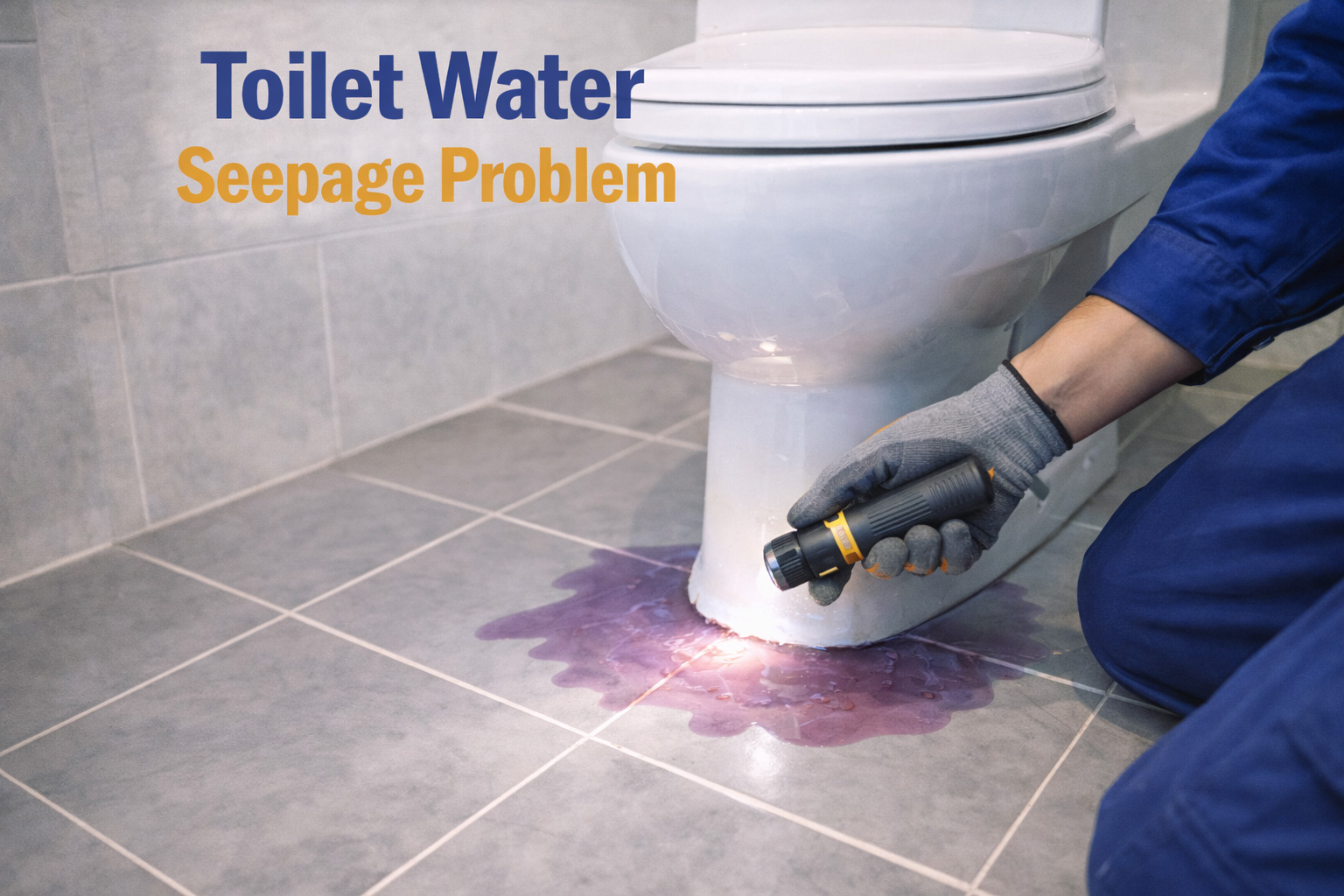
Toilet Water Seepage Problem: How to Solve and Prevent Water Damage in Your Singapore Business
Water seepage is a common issue that many property owners in Singapore face, especially when it involves the toilet area. A toilet water seepage problem can lead to severe damage to both the building’s structure and interior finishes. The consequences of untreated seepage can include mold growth, compromised walls and ceilings, foul odors, and even structural deterioration. For businesses, this can result in expensive repairs and disruptions to daily operations.
In this blog post, we’ll explore the causes of toilet water seepage problems, how to identify them, and most importantly, how to prevent and fix them. We’ll also discuss the best practices for managing water leakage in your Singapore property, the costs involved, and frequently asked questions.
What Is Toilet Water Seepage and Why Should Singapore Businesses Care?
Toilet water seepage refers to the unwanted penetration of water into or through the structure surrounding a toilet, such as the walls, floors, and ceilings. The water may originate from the toilet bowl, sink, pipes, or drainage system. If left unresolved, this problem can lead to significant damage over time, resulting in costly repairs and health hazards due to mold growth or structural weakening.
For businesses, toilet water seepage can pose several risks, including:
Structural damage: Continuous water exposure can weaken building materials like drywall, plaster, and wood.
Health risks: Mold and mildew thrive in damp environments, potentially leading to respiratory issues and allergies for employees and customers.
Property devaluation: Water damage, especially when noticeable, can decrease the aesthetic appeal of the property and reduce its value.
If you notice any signs of toilet water seepage in your business property, it’s crucial to act quickly. Left unchecked, the problem can worsen, resulting in more expensive repairs and longer downtime for your business.
Causes of Toilet Water Seepage in Singapore Properties
Understanding the root causes of toilet water seepage problems is key to addressing and preventing them. Below are the common causes of water seepage in toilet areas in Singapore:
1. Leaky or Faulty Pipes
Old, corroded, or improperly installed pipes are a frequent cause of water seepage in the toilet. Over time, the pipes can crack or wear out, allowing water to leak into the surrounding walls or floors. This is particularly common in older properties where the plumbing system has not been updated or maintained.
Signs: Damp spots on walls or floors near pipes, increased water bills, or noticeable water pooling near the toilet.
2. Cracked Toilet Bowl or Sink
Cracks or chips in the toilet bowl, sink, or other bathroom fixtures can allow water to seep out, particularly when pressure is applied during flushing. Small cracks may go unnoticed, but over time, they can cause significant water damage.
Signs: Water stains on the ceiling or wall below the toilet, water pooling around the base of the toilet or sink, or mold growth near the affected areas.
3. Damaged Seals Around Toilet Base
The seal between the toilet base and the floor is essential for preventing water leakage. If the seal becomes damaged, broken, or worn out, water can seep from the base of the toilet, leading to floor and wall damage.
Signs: Water around the base of the toilet, floor tiles or grout becoming loose or discolored, or mold growing under the toilet.
4. Clogged or Blocked Drainage System
A blocked toilet drainage system can result in water backing up into the toilet, causing overflows and seepage. Clogs can also occur in the pipes leading from the toilet to the main sewage system, resulting in water pooling around the toilet area.
Signs: Slow drainage, foul smells, or water backing up into the toilet or bathroom area.
5. Poor Waterproofing in Toilet Areas
In Singapore’s tropical climate, where high humidity and frequent rain are common, proper waterproofing is essential. A poorly waterproofed toilet area may allow water to seep into the surrounding walls, floors, and ceilings. If the waterproofing layer is damaged or deteriorated, this can exacerbate water seepage problems.
Signs: Water stains on walls or ceilings, especially in areas adjacent to the toilet, or dampness in the bathroom even after showers or flushes.
How to Identify and Prevent Toilet Water Seepage Problems
Detecting toilet water seepage problems early is crucial to preventing long-term damage. Here are some common methods for identifying and preventing water seepage:
1. Regular Inspections and Maintenance
Conduct regular inspections of your toilet plumbing system, pipes, and seals to catch any issues before they become significant problems. Look for damp spots, water stains, or visible cracks around pipes, the toilet bowl, and other fixtures. Ensuring that your plumbing is in good condition can help prevent potential leaks.
Tip: Schedule annual or bi-annual inspections with a professional plumber to detect hidden issues early.
2. Check for Dampness and Mold
Check the toilet walls, floor tiles, and surrounding areas for any signs of dampness or mold. Dampness in walls and ceilings often indicates that water has seeped through the surface, leading to mold growth. Mold is harmful to health, so addressing the problem early can prevent costly remediation efforts later.
Tip: Use a dehumidifier or ventilation fan to reduce moisture levels in the bathroom, especially if it’s a high-humidity area.
3. Inspect Toilet Fixtures and Pipes
Perform regular checks on your toilet’s fixtures, including the base, tank, and plumbing connections. If any parts show signs of wear, such as cracked pipes or loose fittings, have them replaced or repaired promptly. Replacing a damaged toilet seal or pipe can prevent water seepage from becoming a larger issue.
Tip: If you notice leaks near the toilet, consider having the entire toilet and plumbing system inspected and replaced if necessary.
4. Ensure Proper Waterproofing
Ensure that your toilet and bathroom are properly waterproofed. For new installations or major renovations, it’s important to hire a contractor to apply a high-quality waterproofing membrane to prevent water from leaking into adjacent areas. This step is particularly important in Singapore, where constant moisture and humidity can compromise the effectiveness of waterproofing systems.
Tip: Work with a licensed contractor to apply a durable, long-lasting waterproofing solution to your toilet area.
Benefits of Addressing Toilet Water Seepage Problems Early
Addressing toilet water seepage problems early can prevent more significant issues down the line. Here are the key benefits of taking action as soon as you notice any signs of water seepage:
1. Prevents Structural Damage
Unaddressed water seepage can cause extensive structural damage to walls, floors, ceilings, and even the foundation of your building. Repairing water damage early can prevent costly structural repairs.
2. Protects Your Property’s Value
Water damage, particularly from toilet seepage, can significantly reduce the value of your property. By fixing the problem early, you protect your investment and ensure that your property retains its value.
3. Minimizes Health Risks
Water seepage can lead to mold growth, which can pose serious health risks to occupants, especially those with respiratory conditions. By addressing the issue early, you protect the health of your employees or tenants.
4. Saves Money on Repairs
The longer water seepage is left untreated, the more expensive the repairs will be. By acting quickly, you can avoid extensive damage and keep repair costs low.
Cost of Repairing Toilet Water Seepage in Singapore
The cost of fixing toilet water seepage problems in Singapore can vary depending on the extent of the damage and the necessary repairs. Below is a general breakdown of costs:
1. Minor Repairs
Cost Range: SGD 100 – SGD 500
Minor repairs involve fixing leaks, replacing toilet seals, and patching small cracks in the pipes or walls. These repairs can usually be done quickly and affordably.
2. Medium Repairs
Cost Range: SGD 500 – SGD 1,500
This involves more extensive work, such as replacing damaged pipes, addressing mold growth, or repairing larger leaks. Depending on the complexity, these repairs may take a few days.
3. Major Repairs
Cost Range: SGD 1,500 – SGD 5,000
For significant water damage or major plumbing work, such as replacing entire plumbing systems or waterproofing, the costs can be much higher. Major repairs may also include fixing structural damage to walls, floors, or ceilings caused by prolonged water seepage.
FAQ About Toilet Water Seepage Problems
1. What are the signs of a toilet water seepage problem?
Signs include damp spots on the walls or ceilings, water stains near the toilet or plumbing, musty odors, or mold growth in the bathroom area.
2. Can water seepage in the toilet affect other parts of the building?
Yes, water seepage can spread to nearby walls, floors, and ceilings, causing damage to structural components and potentially affecting other areas of the building.
3. How can I prevent toilet water seepage in my business?
Regular maintenance, proper waterproofing, and timely repairs are essential for preventing water seepage. Make sure to inspect pipes, seals, and fixtures regularly.
4. Is it necessary to hire a professional for toilet water seepage repairs?
Yes, professional plumbers or contractors have the expertise to accurately diagnose and repair water seepage problems. Attempting DIY repairs can worsen the issue.
5. How long does it take to fix a toilet water seepage problem?
The time required depends on the severity of the problem. Minor issues can be fixed within a few hours, while more significant repairs may take several days.
Conclusion: Act Now to Address Toilet Water Seepage in Your Singapore Business
Toilet water seepage problems are not only a hassle but can also lead to long-term structural damage and health risks. For Singapore businesses, addressing this issue early is critical to avoiding costly repairs and protecting your property’s value. By hiring professionals to assess and fix the problem, you can ensure that your business premises remain safe, functional, and appealing.
If you’re dealing with water seepage issues in your business or property, don’t wait for the problem to escalate. Reach out to a professional plumber or contractor today for an inspection and start resolving your toilet water seepage problem before it becomes a bigger concern.